

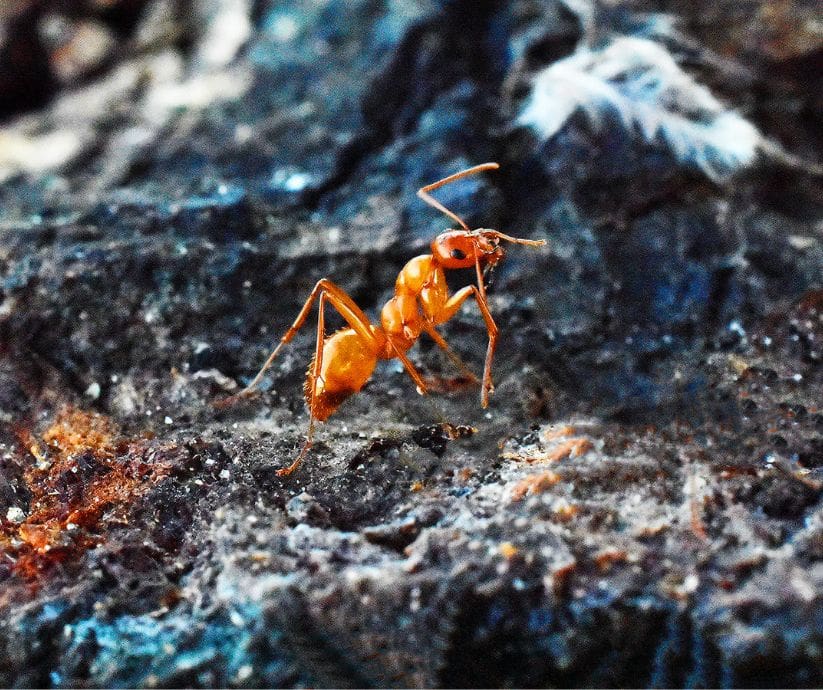
In the verdant realms of Costa Rica, a country celebrated for its staggering biodiversity and vibrant cultures, indigenous communities have long mastered the art of utilizing the natural bounty around them. Among the myriad natural resources that have been cleverly adapted into local diets is the fire ant, a small insect with a potent bite, now ingeniously integrated into traditional cuisine as a spicy seasoning.
Historical Roots
The use of insects in cuisine is not a novel concept but a practice steeped in history, prevalent across various cultures worldwide. In Costa Rica, indigenous tribes such as the Boruca and Bribri have been particularly adept at incorporating a variety of insects into their diet, with fire ants being a notable example. Historically, these ants were not only a readily available food source but also a key ingredient in traditional medicines and rituals, believed to impart strength and resilience.
Fire ants, specifically, began to find their place in the local diet several centuries ago. The indigenous people learned to harness the ants’ fiery sting to their advantage, transforming what was initially a natural hazard into a culinary asset. This practice reflects a deep understanding of the environment, where even the smallest creature plays a role in the larger ecosystem.
Harvesting and Preparation
Harvesting fire ants is a laborious task that requires knowledge, skill, and a great deal of caution. The ants are typically gathered at dawn or dusk, when they are most active. Gatherers, often skilled individuals who have learned techniques from previous generations, locate the ants’ nests—usually mounds in cleared forest areas—and use sticks to stir the ants into activity.
Once agitated, the ants are quickly scooped up using leaves or special tools and are then subjected to a rapid cleaning process. Historically, the ants were sometimes consumed raw by warriors for vigor, but in modern culinary practices, they are more commonly roasted or sun-dried. This not only tempers their aggressiveness but also intensifies their natural flavors, adding a smoky nuance to their inherent spiciness.
Culinary Integration Today
Today, fire ants are a specialty rather than a staple, used to enhance the flavor profile of many traditional dishes. They are most commonly found in the rural areas of Costa Rica, where traditional practices are preserved and celebrated. In contemporary Costa Rican kitchens, fire ants might be ground into a fine powder and used as a condiment, akin to hot pepper flakes. They are also used whole in soups and stews, where they impart a distinct heat and zest that is both earthy and invigorating.
Restaurants focusing on indigenous or traditional cuisines occasionally feature dishes with fire ants to offer a unique taste experience to adventurous diners. These establishments not only serve as culinary hubs but also as cultural preservation sites, where ancient practices meet modern culinary curiosity.
Nutritional and Ecological Considerations
Aside from their culinary uses, fire ants are recognized for their nutritional value, providing a good source of protein and fats. Ecologically, their harvesting promotes sustainable practices that align with indigenous principles of respecting and maintaining balance in nature.