Scuba Diving in Costa Rica: Where Mantas, Bull Sharks and Volcanoes Meet the Sea
Costa Rica may be small on the map, but underwater it feels enormous. Wedged between the Pacific Ocean and the Caribbean Sea, this little Central American country packs in volcanic pinnacles, sweeping reefs, cleaning stations for giant mantas, and shark-filled blue water. The Caribbean has some pretty pockets of reef but limited infrastructure; it’s the Pacific coast that has really earned Costa Rica its place on the global diving wish list, especially Guanacaste, Caño Island and the legendary Cocos Island. (padi.com)
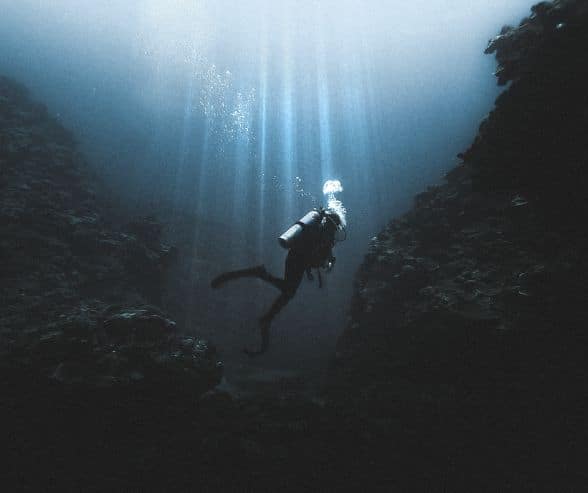
Lead photo suggestion: A wide-angle underwater shot of a diver cruising along a dark volcanic wall at the Catalinas Islands as a giant manta ray glides above, beams of sunlight cutting down through the blue, with schooling jacks in the background.
What makes Costa Rica such a special place to go scuba diving?
Costa Rica stands out because you get big animals, dramatic volcanic scenery and year-round diving in one compact country.
Underwater, most of the Pacific sites are built from ancient lava flows: boulders, arches and pinnacles carpeted with sponges, gorgonians and small hard corals. That rugged terrain is a magnet for pelagic life. On a single trip you can tick off:
- Giant Pacific manta rays on cleaning stations and cruising in from the blue
- Bull sharks and other big pelagics at exposed islands and channels (scubadivingflamingo.com)
- Seasonal humpback whales, pilot whales and dolphins overhead on the way to the sites (costa-rica-guide.com)
- Turtles, white-tip reef sharks, eagle rays and huge schools of grunts and jacks almost everywhere you go (padi.com)
Add warm water, short boat rides from beach towns like Flamingo, Tamarindo and Manuel Antonio, and you have a very easy place to mix diving with holiday time on shore. (Scuba Dive Costa Rica)
Where are the best places to dive on Costa Rica’s Pacific coast?
The best diving in Costa Rica is concentrated along the north and central Pacific, plus the offshore islands. Each area has its own personality. (padi.com)
What can you see at the Catalinas Islands?
The Catalinas Islands in Guanacaste are famous for manta rays, schooling fish and fast-paced drift-style dives.
A short boat ride from Playa Flamingo and nearby resorts, the “Cats” are a cluster of rocky islets rising steeply from deep water. Here you can expect:
- Regular encounters with giant Pacific mantas from roughly November to May, peaking around January–March when visibility and current often line up perfectly
- Spotted eagle rays, devil rays and bullseye rays sweeping in and out of the blue
- White-tip reef sharks, huge schools of jacks and grunts, moray eels and the occasional turtle cruising by
Currents can be punchy and some sites are deep, so this area is more comfortable for confident, at least intermediate, divers.
Why are the Bat Islands so famous?
The Bat Islands (Islas Murciélagos), at the edge of Santa Rosa National Park, are Costa Rica’s answer to an underwater roller coaster: they are known for bull sharks and big-animal action. (scubadivingflamingo.com)
At sites like “Big Scare” you may:
- See large bull sharks circling the cleaning stations at depth
- Watch manta rays and eagle rays glide overhead
- Spot sailfish, big schools of snapper and, on lucky days, whales or dolphins on the crossing
Depths routinely go past 30 m/100 ft and currents can be strong, so operators generally restrict these trips to advanced divers with recent experience.
What makes Caño Island worth the trip?
Caño Island Biological Reserve on the south Pacific coast offers clear water, reefs and pinnacles alive with tropical fish and cruising sharks. (padi.com)
From launch points like Drake Bay and Uvita, expect:
- Healthy reef fish communities with snappers, grunts, surgeonfish and angelfish
- White-tip reef sharks, manta rays in season, turtles and free-swimming moray eels
- A high chance of hearing – and sometimes seeing – humpback whales between about January–March and late July–October
The island is strictly protected, so there’s no shore access; all visits are by authorised boats with park permits.
Why do experienced divers dream about Cocos Island?
Cocos Island is a remote national marine park and one of the world’s great big-animal destinations, famous for vast schools of hammerhead sharks. (aggressor.com)
Reaching Cocos involves a 32–36 hour crossing by liveaboard from the Pacific coast, and most diving happens between about 18–40 m/60–130 ft in strong currents. Once you’re there, you may encounter:
- Walls of scalloped hammerheads spiralling over cleaning stations
- White-tip reef sharks, silky sharks and the occasional whale shark
- Big mantas, marble rays, huge yellowfin tuna and swirling schools of jacks and snapper
It is firmly an advanced diver destination, with many operators requiring at least Advanced Open Water and a minimum number of logged dives.
When is the best time of year to scuba dive in Costa Rica?
You can dive Costa Rica all year, but different months suit different goals.
On the Pacific coast, the calmest seas and clearest visibility are usually during the dry season from about mid-December to April. (world.expeditions.com) This window is great for:
- Warmer water and often 20–30 m+ visibility
- Excellent manta encounters in Guanacaste
- Generally easier surface conditions for new divers
Late July to October is prime time for southern humpback whales along the south Pacific, while a different humpback population passes through roughly January to March, especially around Caño Island and further north. (costa-rica-guide.com)
For Cocos, May–November is often recommended for the densest hammerhead schools and more frequent whale shark sightings, though mantas are more common the rest of the year. (Liveaboard.com)
What conditions and marine life can you expect underwater?
Expect warm water, occasional thermoclines, volcanic rock landscapes and a serious amount of life.
Typical Pacific dive days bring: (padi.com)
- Water temperatures mostly around 26–29°C at the surface, dropping to the high teens in colder upwellings or at depth
- Visibility from about 10–30 m depending on plankton, rain and location
- Regular sightings of eagle rays, devil rays, turtles, white-tip reef sharks, big schools of grunts and jacks, parrotfish, octopus and moray eels
- During whale season, the sound of humpback song echoing through the water while you fin along the reef
It’s not a manicured coral-garden destination; Costa Rica is about mood, movement and big-animal encounters rather than postcard-perfect hard coral.
How many dives a day can you do and what about nitrox?
Most coastal operators in Costa Rica run two-tank morning trips, with the boat home by early afternoon.
Some centres will add a third dive on request, or offer night dives when conditions allow, but the standard holiday rhythm is:
- Early check-in at the dive centre
- Two dives at local sites or islands
- Surface interval with snacks and whale-spotting on the way
Nitrox is more available than it used to be. Established centres in Guanacaste and Quepos now offer nitrox, technical courses and even full professional training tracks, which is useful if you plan longer dive trips or repeated deep dives at places like the Catalinas, Bats or Cocos. (Scuba Diving Costa Rica)
How do you choose a safe dive centre in Costa Rica?
The simplest shortcut is to choose a reputable PADI-certified dive centre and deal with them directly.
Standards can still vary, particularly in smaller coastal towns, so a quick checklist helps: (padi.com)
- Look for recognised agency credentials
- PADI Dive Centre, 5-Star Resort, IDC or CDC status suggests that basic safety and training standards are in place.
- Check how they handle safety
- Ask about maximum group size, emergency oxygen on board, radio contact and staff first-aid training.
- Inspect or ask about the kit
- Well-maintained rental gear, recent service records on regulators and clean compressors are all good signs.
- Avoid anonymous street vendors
- Many resellers in tourist zones simply broker trips for a small commission. Booking direct with the dive centre means you know exactly who is taking you to sea and can ask the right questions in advance.
- Read recent reviews
- Look for consistent comments about briefings, boat handling, respect for marine life and how they treat newer divers.
Which reputable Costa Rican dive centres can you start with?
Two long-standing options that regularly work with international visitors are based in Guanacaste and Quepos.
Scuba Dive Costa Rica – Guanacaste (Scuba Dive Costa Rica)
A multilingual diving and snorkelling agency based around Playa Potrero/Flamingo, serving Flamingo, Tamarindo, Conchal, Brasilito, Surfside and Las Catalinas. They focus heavily on the Catalinas Islands and nearby sites and offer:
- Daily two-tank trips to the Catalinas and local reefs
- PADI courses from beginner to professional, plus Discover Scuba experiences for non-certified guests
- Help with arranging private charters for groups and families
Contact Scuba Dive Costa Rica:
- Tel/WhatsApp: +506 8602 6581
- Email: info@scubadivecostarica.cr
- Website: www.scubadivecostarica.cr
Oceans Unlimited – Manuel Antonio / Quepos (Scuba Diving Costa Rica)
Based at Marina Pez Vela in Quepos, Oceans Unlimited is a PADI Career Development Centre and technical dive centre with a strong conservation focus. They offer:
- Local trips around Manuel Antonio National Park
- Full-day excursions to Caño Island
- Training from Discover Scuba all the way through divemaster, instructor and technical courses
- Environmental projects with Marine Conservation Costa Rica and PADI AWARE programmes
Contact Oceans Unlimited:
- Tel/WhatsApp: +506 8805 8042
- Email: dive@scubadivingcostarica.com
- Website: www.scubadivingcostarica.com
Tell them you heard about them in Howler Magazine and you’re planning to swap the office for the Pacific for a few mornings.
FAQ: Scuba diving in Costa Rica
Is Costa Rica good for beginner divers?
Yes, Costa Rica has plenty of sheltered sites suitable for beginners, especially around Manuel Antonio, calmer days in Guanacaste and training-friendly reefs near shore. More advanced sites like the Bat Islands and Cocos are better kept for later in your dive journey. (padi.com)
Can you dive in Costa Rica all year?
You can dive year-round, but conditions shift with the seasons. Dry season (roughly mid-December to April) usually offers calmer seas and clearer water; the rest of the year brings more plankton, which can lower visibility but attracts big animals. (world.expeditions.com)
Do I need a drysuit or thick wetsuit?
Most divers are comfortable in a 3–5 mm full wetsuit. During colder upwellings or at sites with thermoclines, a hooded vest or 5 mm suit is very welcome, especially if you feel the cold. (padi.com)
Is nitrox widely available in Costa Rica?
Nitrox is increasingly common at established centres, especially in Guanacaste and Quepos, but it’s still worth asking ahead of time if you consider it essential for your trip. (Scuba Diving Costa Rica)
Is Cocos Island safe for inexperienced divers?
Cocos is not a beginner destination. Trips are usually limited to experienced divers with advanced certification, comfortable with strong currents, blue-water ascents and depths beyond 18 m/60 ft. (Liveaboard.com)
Can I combine a family holiday with a dive trip?
Absolutely. Towns like Flamingo, Tamarindo, Manuel Antonio and Uvita make it easy to mix morning dive trips with afternoons on the beach, zip-lining, surfing or national park visits for non-divers. (Scuba Dive Costa Rica)