

by Christian Suárez
At the macro level, the economic impact of a cycling event is measured across four major dimensions: direct spending, the multiplier effect, employment and tax revenue, and the destination’s tourism positioning. The OECD specifically recommends measuring sports events using indicators such as total net economic impact (direct, indirect, and induced), jobs created or sustained, and the percentage of contracts awarded to local suppliers.
To put this into practical terms:
Direct spending: This refers to the money flowing into the city through accommodation, food, transportation, retail, and services purchased by participants, their companions, and organizers. Literature on sports events emphasizes that impact assessments should focus primarily on spending by non-resident visitors and the organizing body, as this spending injects new money into the local economy.
Total impact: Direct spending is combined with the ripple effect on suppliers, wages, and local consumption. As a broad industry benchmark, Sports ETA reported that in 2023, sports tourism in the U.S. generated US$52.2 billion in direct spending and US$128 billion in total economic impact—equivalent to a ratio of approximately 2.45:1 between total impact and direct spending. This ratio serves as a general benchmark, not a fixed rule applicable to every specific city.
Employment and taxes: That same report estimated that sports tourism sustained 757,600 jobs and generated US$20.1 billion in tax revenue, demonstrating that these events do not merely sell hotel rooms and meals; they also stimulate formal employment and tax collection.
Legacy and destination promotion: The OECD also highlights that such events can boost a location’s visibility and contribute to sustained visitor growth in the aftermath of the event, in addition to fostering contracting opportunities for local SMEs and suppliers.
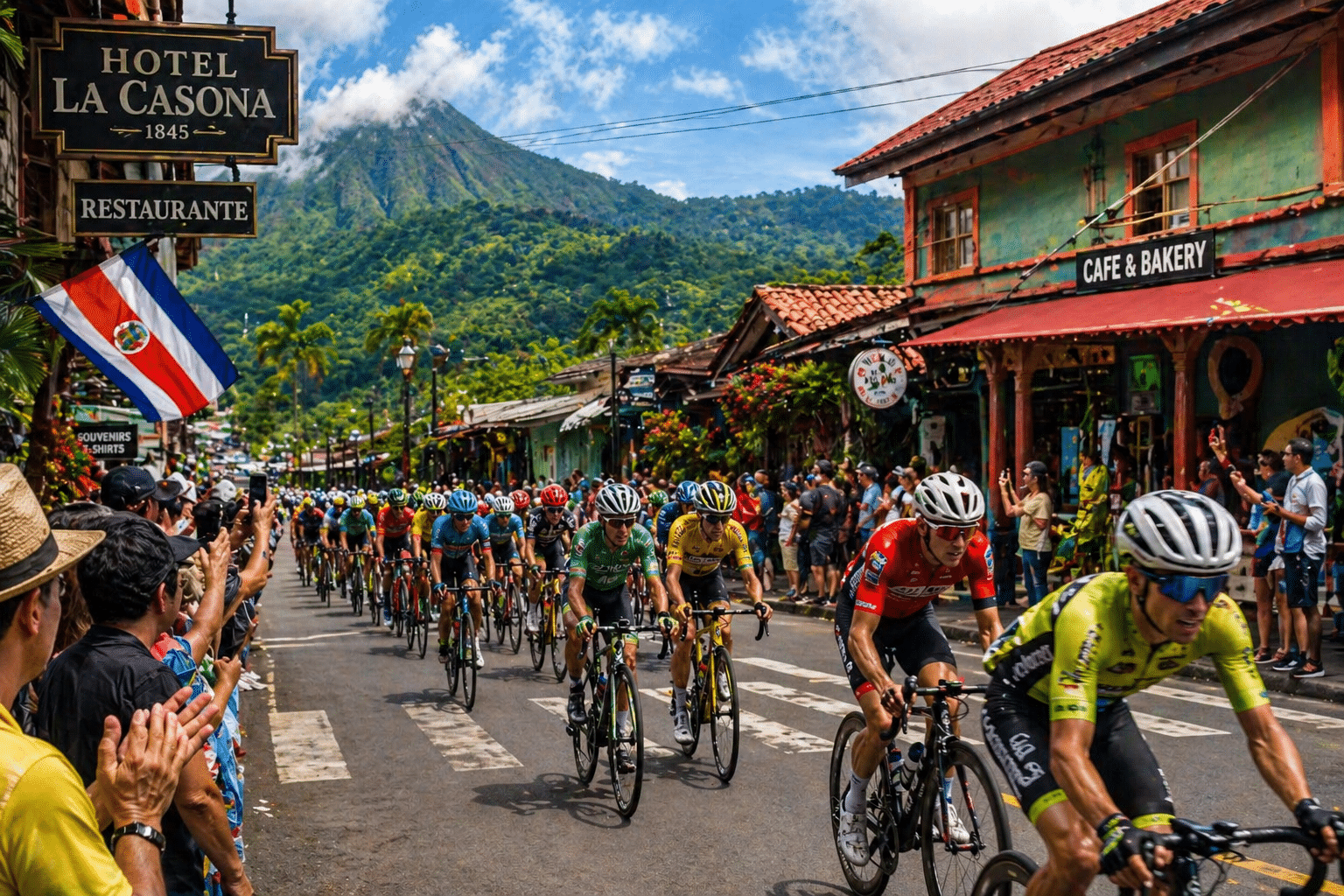
The economic impact of a cycling event is not limited to rider registration fees. In reality, it translates into tourism spending, vendor contracts, temporary job creation, and destination promotion. On an international scale, sports tourism studies show that direct visitor spending can be multiplied within the local economy through indirect and induced effects, thereby transforming these types of events into a genuine tool for economic revitalization.
If an event succeeds in attracting 500 cyclists—with each generating approximately US$220 in direct local spending—the immediate revenue would hover around US$110,000. Applying a benchmark multiplier from the sports tourism sector, the total economic impact could approach US$269,500—even before accounting for the long-term promotional value for the city.