

The Economic and Environmental Case for Transitioning from Whaling to Whale Watching
In the ongoing global debate over marine conservation, the shift from whaling to whale watching presents not only an ethical imperative but also a compelling economic argument. This transition is increasingly relevant as the international community grows more environmentally conscious, and as the economic realities of whaling become starkly apparent when compared to the burgeoning whale watching industry.
The Current State of Whaling Economies
Despite international censure and a declining market for whale products, a few nations persist in whaling activities. Prominent among these are Japan, Norway, and Iceland, which continue to hunt whales under various pretexts, including scientific research and cultural tradition. The financial returns from whaling are modest compared to its global fallout. For example, Japan’s whaling industry, after resuming commercial whaling in 2019, has been relatively small scale. Reports suggest that the industry generated only around $21 million annually in recent years—a paltry sum when set against the massive potential of global tourism.
The Lucrative Business of Whale Watching
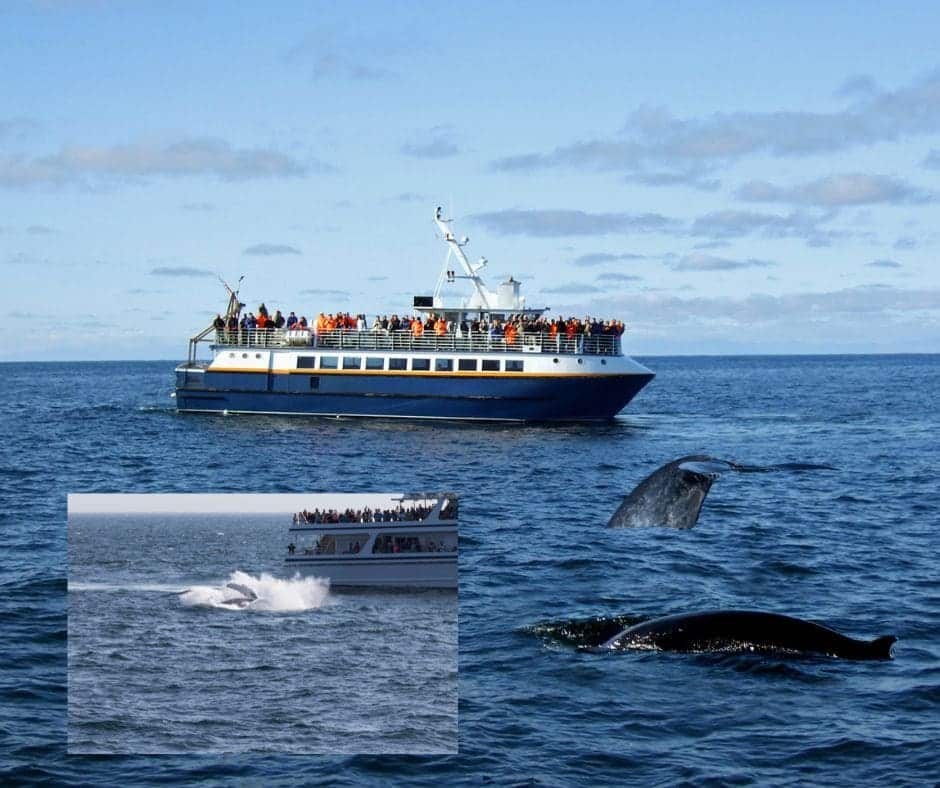
Contrasting sharply with the declining whaling industry, whale watching has experienced explosive growth worldwide. As of 2023, this eco-friendly activity generates approximately $3 billion annually, engaging over 20 million participants across various continents. The economic benefits of whale watching extend far beyond the immediate revenues from tour operations. This sector significantly boosts ancillary services such as hospitality, local dining, and other tourist activities. For instance, regions like the West Coast of the United States, the Azores, and New Zealand have transformed their local economies through whale watching, creating thousands of jobs and fostering community development.
Comparative Analysis: Whaling vs. Whale Watching
The stark contrast in economic benefits between whaling and whale watching is evident in the case of Iceland. While the whaling industry in Iceland has been limited and controversial, contributing minimally to the national economy, the whale watching sector has flourished, becoming a cornerstone of Iceland’s tourism appeal. Towns like Húsavík are renowned globally as premier whale watching destinations, drawing visitors from around the world, which in turn fuels a wide range of economic activities.
Environmental and Public Relations Gains
Beyond economics, the transition from whaling to whale watching offers significant environmental benefits. Whales play critical roles in marine ecosystems, including enhancing fish populations and sequestering carbon—a vital function in the age of climate change. Nations that prioritize whale conservation over whaling often reap considerable positive publicity, aligning themselves with global conservation goals and improving their international standing.
The Case of Captain Paul Watson
The commitment to marine conservation by figures like Captain Paul Watson, the head of the Captain Paul Watson Foundation, highlights the global movement towards marine protection. Watson’s efforts, though sometimes controversial, emphasize the urgent need to end whaling. His legal struggles, including an arrest warrant issued by Japan, have only intensified the spotlight on whaling, showcasing the desperate need for its abolition in favor of more sustainable and globally acceptable practices like whale watching.
The evidence is clear: the economic, environmental, and ethical advantages of transitioning from whaling to whale watching are overwhelming. Nations that cling to whaling not only face international critique but also miss out on the lucrative, sustainable opportunities presented by whale watching. It is time for these countries to realign their policies with the global movement towards environmental stewardship and economic sustainability.