Costa Rica, though small in size, boasts a culture that’s vibrant, warm, and deeply rooted in both indigenous heritage and Spanish colonial influence. Whether you’re strolling through a lively town during a festival or enjoying a home-cooked casado meal, Costa Rican culture surrounds you with a genuine sense of community and joy.
The Heartbeat of the Country: Pura Vida
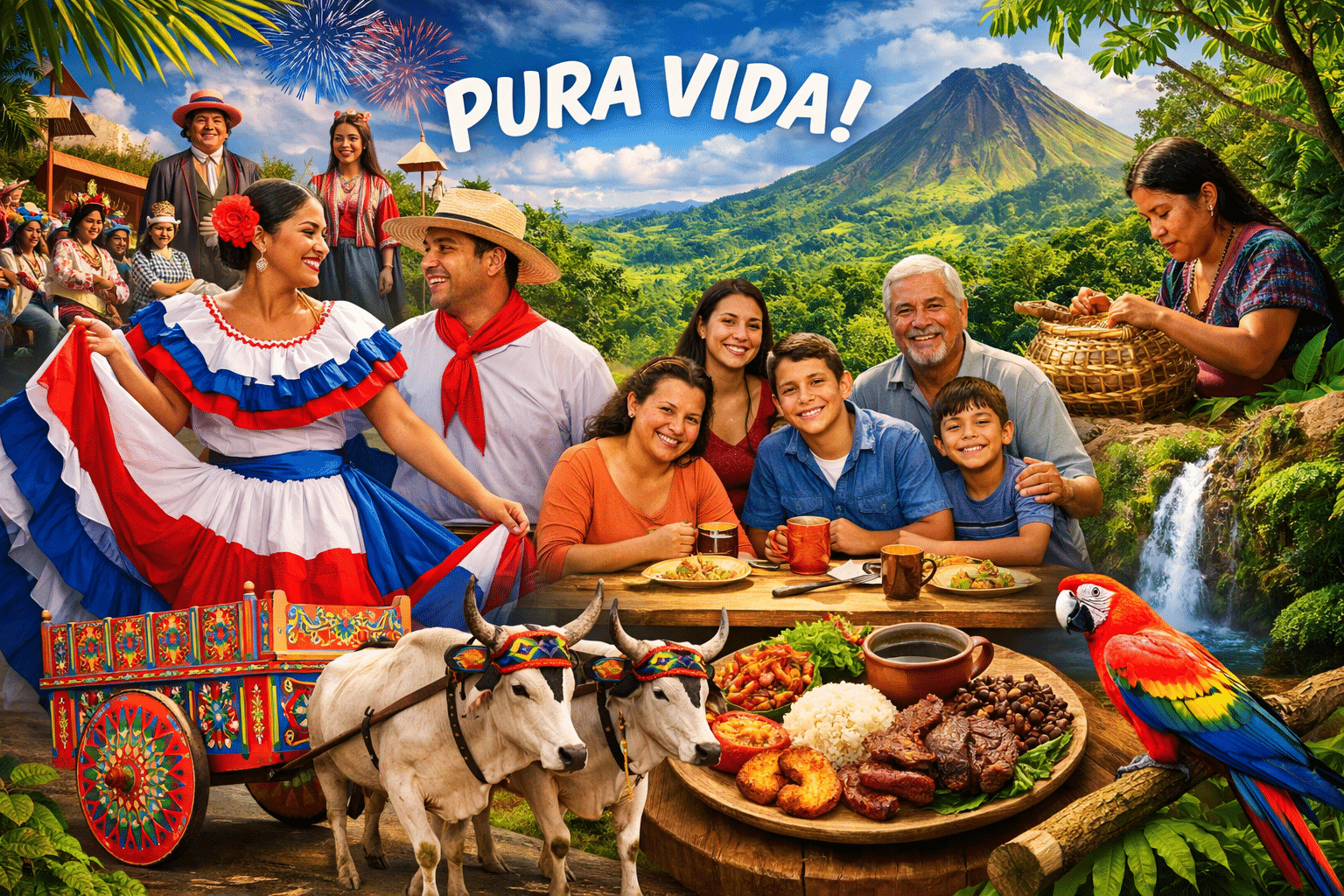
At the center of Costa Rican identity is the phrase Pura Vida, meaning “pure life.” More than just a greeting or expression, it’s a philosophy that emphasizes happiness, gratitude, and simplicity. You’ll hear it everywhere — as a hello, goodbye, or even as a response to “how are you?” It perfectly captures the country’s laid-back, optimistic spirit.
Family and Community Come First
Family plays a central role in Costa Rican life. Extended families often live close together or even under one roof. Sundays are commonly reserved for big family meals, where generations gather to share stories, food, and laughter. This strong sense of togetherness spills into neighborhoods and towns, where community support is a cornerstone of daily life.
Traditions That Live On
Costa Ricans take pride in their folk traditions. Traditional dances like the Punto Guanacasteco are performed during festivals, showcasing colorful dresses, live music, and regional flair. The oxcart, once a vital tool for transporting coffee, has become a national symbol of cultural heritage, often decorated with stunning hand-painted designs.
Celebrations and Festivals
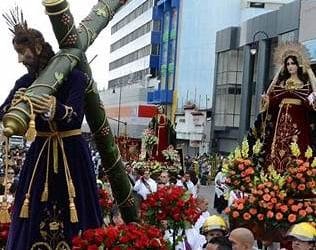
From religious holidays to civic events, Costa Rica knows how to celebrate. The Fiestas Patronales in each town are among the most anticipated events, featuring parades, bull riding (non-lethal), marimba music, fireworks, and carnival rides. Other major celebrations include Independence Day on September 15th and the Día de la Virgen de los Ángeles, the country’s most important religious pilgrimage.
A Culinary Culture of Flavor and Comfort
Costa Rican food is rooted in simplicity and freshness. Staples like rice, beans, plantains, and locally grown vegetables form the base of everyday meals. The iconic casado — a plate featuring rice, beans, salad, plantains, and a protein — is both nutritious and filling. Don’t forget to try gallo pinto for breakfast and enjoy a warm cup of local coffee, one of the country’s most famous exports.
Language and Expressions
Spanish is the official language, but Costa Ricans have their own unique expressions. Besides Pura Vida, you’ll hear terms like mae (similar to “dude”) and tuanis (cool). The local accent is clear and rhythmic, and visitors often find Costa Ricans easy to understand when learning Spanish.
Art and Identity
Costa Rican artists express their identity through painting, music, and crafts. From indigenous carvings to modern street art in San José, there’s a rich creative scene that celebrates both heritage and innovation. Local artisan markets offer handmade goods that reflect the spirit of each region, from Chorotega pottery to Bribri woven baskets.
Nature and Spirituality
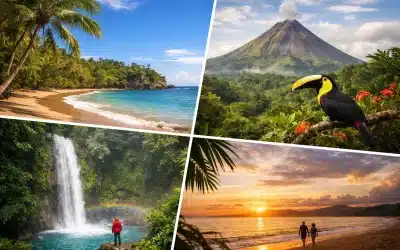
Costa Ricans hold a deep respect for nature, which goes hand-in-hand with spiritual values. While Catholicism is the dominant religion, many Costa Ricans blend traditional faith with personal reverence for the natural world. This harmony between belief and biodiversity reinforces the country’s global reputation for sustainable living and eco-consciousness.
Costa Rican culture is as warm and welcoming as its people. It’s built on strong family bonds, joyful traditions, and an enduring commitment to community and nature. Whether you’re visiting for a week or settling in for longer, you’ll likely find yourself saying Pura Vida — and meaning it.