

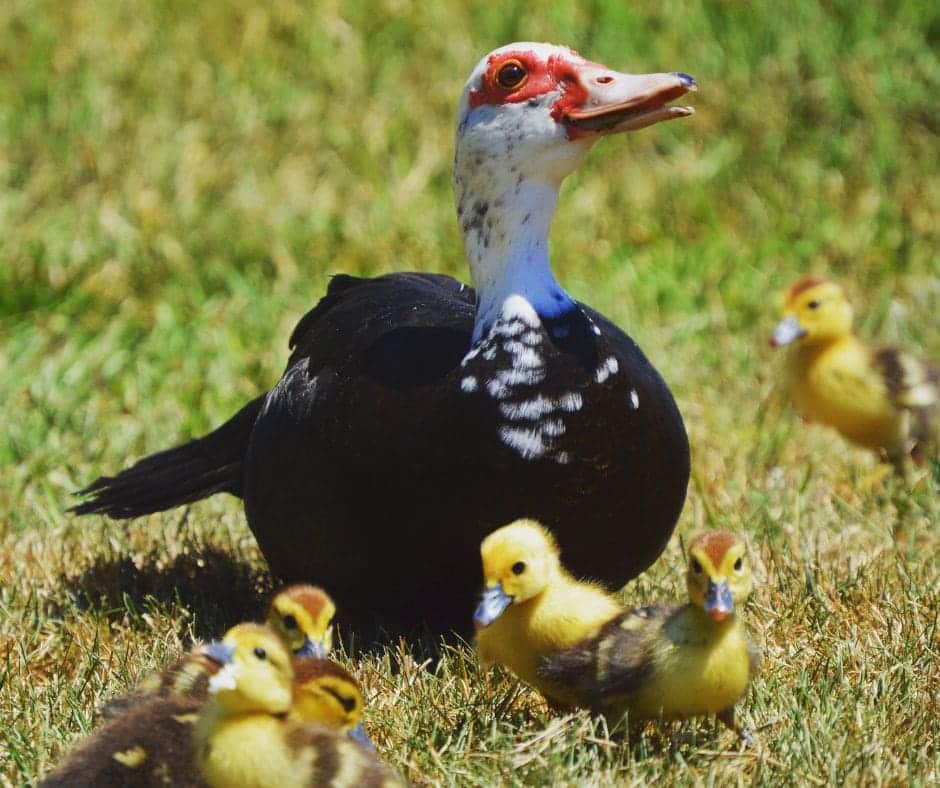
Costa Rica is a beacon for biodiversity, hosting an array of exotic flora and fauna. Among the fascinating creatures that call this vibrant land home is the Muscovy Duck, a species as unique as the country itself. Known scientifically as *Cairina moschata*, this bird is often spotted in the wetlands and tropical forests of Costa Rica, adding a distinctive touch to the local wildlife tapestry.
Characteristics and Habitat
The Muscovy Duck is immediately recognizable by its size and the unique red wattles around its bill. Males are significantly larger than females, often by as much as twice their size, and boast more pronounced facial caruncles. These ducks display a mix of black and white plumage, although domestic breeds show more variety in color.
In Costa Rica, Muscovy Ducks are typically found near bodies of freshwater like lakes, rivers, and ponds. They thrive in habitats that offer abundant food and shelter from predators, making the lush environments of Costa Rica ideal.
Behavior and Diet
Muscovy Ducks are omnivores, feeding on a diet that includes small fish, insects, reptiles, and plant material. Their feeding habits help control the populations of aquatic insects and small vertebrates, contributing to a balanced ecosystem. Unlike many duck species, Muscovies are quiet; they communicate through subtle tail wagging and head bobbing rather than quacking, which makes them an intriguing subject of study for bird enthusiasts and ecologists alike.
Contribution to the Ecosystem
The environmental impact of the Muscovy Duck in Costa Rica is profoundly positive. By foraging for a variety of foods, they help maintain healthy, clean waterways by reducing excess vegetation and controlling insect populations. Furthermore, their nests, typically built in tree cavities or dense brush near water, help to foster a robust undergrowth, providing shelter and nesting spots for various smaller species.
Migration Patterns
Contrary to many bird species in Costa Rica, the Muscovy Duck does not typically migrate. They are year-round residents of their chosen habitats. This sedentary lifestyle makes them an important constant in their ecosystems, stabilizing several ecological functions.
Interesting Facts
- Natural Pest Control: Muscovy Ducks are used in agricultural settings as natural pest control agents, helping to reduce the reliance on chemical pesticides.
- Longevity: These ducks can live up to 20 years in the wild, which is quite long for bird species.
- Solitary Nature: Muscovy Ducks do not flock like other ducks, often seen alone or in small family groups, which helps reduce the spread of disease among waterfowl.
The Muscovy Duck not only adds to the biodiversity of Costa Rica but also plays a significant role in maintaining the ecological balance. Observing these ducks can be a serene experience, emblematic of the peaceful coexistence of nature and wildlife in Costa Rica.