Costa Rica’s magic isn’t just beaches or rainforests—it’s the way wildly different regions sit close enough to sample in one trip, yet distinct enough to feel like separate worlds. That variety is exactly why planning matters: the “perfect” week for one traveller can be the wrong fit for another. After taking my first proper holiday in 12 years, I learned something simple: social media can inspire you, but a personal referral often makes the decision. And once you’re on the ground, a good local tip can be worth more than a hundred glossy reels.
Why is Costa Rica such a strong choice for travellers and would-be homeowners?
Costa Rica appeals because you can match your mood—adventure, comfort, nature, quiet, or community—to a region that truly fits.
What makes it stand out:
- Region variety: beach towns, volcano valleys, cloud forest, jungle rivers, and rolling cattle country
- Home and lifestyle options: everything from rural cabins to vibrant expat hubs
- Adventure density: You can stack activities without spending your whole trip in transit
- Local culture you can actually access: from sodas (small local eateries) to markets, guides, and family-run tours
What’s the smartest way to choose a base location?
The smartest base is the one that matches your daily rhythm—how much you want to drive, how early you wake up, and how “remote” you can happily be.
A simple way to decide:
- If you want easy logistics, stay near major tourism corridors and established tour pick-ups
- If you want quiet and nature-first, choose smaller towns that still have basics nearby
- If you want a little of everything, pick a hub that’s within 1–2 hours of multiple zones (volcanoes, rivers, beaches, wildlife areas)
In my case, I stayed about an hour from Liberia International Airport, which made arrival and departure painless while still feeling removed from the crowds.

How do you cut through the noise of reviews and social media?
The most reliable filter is a mix of personal referral plus a quick reality check once you arrive.
Try this approach:
- Start with one trusted recommendation (a friend, a local, or a publication you already follow)
- Cross-check patterns, not perfection (if 40 people mention the same issue, it’s real)
- Ask locals one targeted question: “If you had one free morning, what would you do?”
- Use resources like Howler Media to widen your options without getting lost in hype
What does a “real” Costa Rica week feel like in a small town?
A small-town stay can feel grounded, affordable, and surprisingly full of options.
The town I stayed in was small but complete—shops, places to eat, two breweries, and more adventures than we could fit into a week. It was also clean in a way that felt intentional; you could sense community pride as you drove in, not from slogans, but from the visible care.
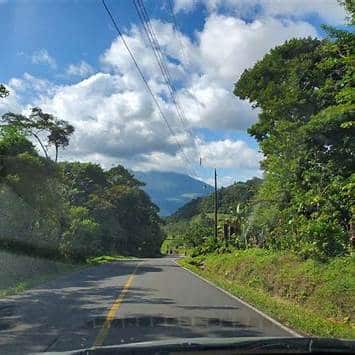
The landscape was straight-up storybook: rolling green hills, wind turbines dotted along the ridges, and a dormant volcano sitting like a quiet landmark in the distance. In rainy season, everything turns electric green—leaves look freshly painted.
Where do you actually eat well without overspending?
You eat well and spend less by leaning into sodas and buying a few basics locally.
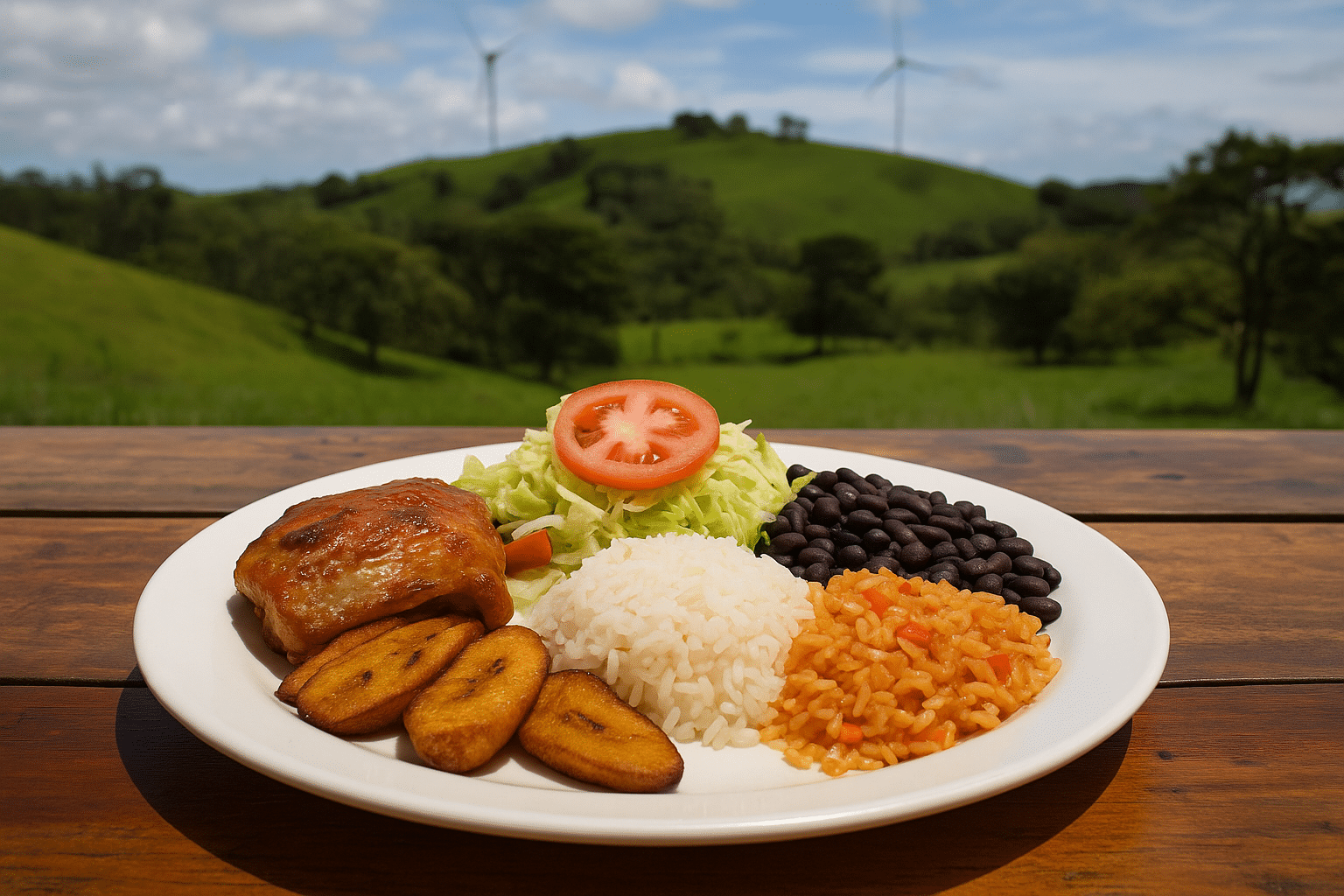
The cover photo from my trip came from a soda in our little town. We ate there four times, and each meal came in under US$12, with the kind of warm, everyday hospitality that doesn’t feel staged. If you want Costa Rica to feel like Costa Rica, eat where locals eat.
Money-saving eating habits that still feel like a holiday:
- Grab breakfast and snacks from local shops
- Choose accommodation with at least a mini-kitchen
- Make one meal a “proper” sit-down and keep the rest simple
- Ask, “What’s good today?” rather than chasing the menu photo
What kind of accommodation works best for a balanced week?
The best accommodation is the one that supports your plan to both explore and rest.
Our rental was modest—nothing fancy—but it had the essentials: a place to sleep well, shower, and make simple food. The unexpected luxury was the setting: a small creek beside the cabin, running 24/7 like a built-in relaxation track, with birds layering in their own soundtrack.
If you’re choosing between styles:
- Hotels: easiest logistics, on-site help, simple tour pick-ups
- Condos/Airbnbs: great for longer stays, families, and self-catering
- Small lodges/B&Bs: local character, often breakfast included, usually quieter
What adventures should you prioritise if you want variety without burnout?
You get the best week by mixing big-adrenaline days with low-effort, high-reward experiences.
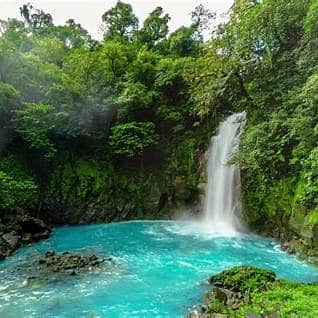
Our adventures ranged from simple pleasures (like a memorable breakfast stop and a maze-style outing) to classic Costa Rica hits: coffee and chocolate tours, wildlife experiences, and soaking in a nearby turquoise river. Seeing animals in real life—close enough to hear, smell, and feel the moment—beats anything you’ve read or watched. First-hand encounters change the way you remember a place.
A balanced activity menu looks like:
- 1–2 high-energy days: longer hikes, rafting, canyoning, zip-lines
- 2–3 medium days: tours, shorter trails, wildlife spotting with a guide
- 2–3 recovery moments: rivers, viewpoints, slow meals, early nights
Do you need a guide, or can you do it all independently?
You can travel independently in many areas, but guides are worth it when conditions, terrain, or wildlife visibility get serious.
When a guide makes the biggest difference:
- Night walks (you’ll see far more, and safer)
- Remote trails and river crossings
- Adventure sports where local knowledge is part of the safety system
- Wildlife spotting—they know what your eyes will miss
And yes—fitness surprises happen. We did one hike that felt brutally demanding, yet I watched people older than me (I’m 64) handle the rocky trail with grit and patience. Costa Rica has a way of reminding you that pace matters more than pride.
When is the best time to visit Costa Rica?
The best time depends on whether you want sunshine, savings, or lush landscapes.
A practical seasonal guide:
- December to mid-April: driest and sunniest, also busiest and priciest
- May to August (green season): regular rain, fewer crowds, greener scenery, often better value
- September to October: often the rainiest in many areas, though some regions can still shine
And honestly? With the right expectations and the right region, any time can work.
How much should you budget for a mid-range trip?
A realistic mid-range budget is one that covers comfort, a few paid activities, and meals that aren’t all self-catered.
Typical trip costs vary by style, but your biggest “swing factors” are:
- how often you do tours
- whether you rent a car
- how many internal travel days you add
- whether you eat mostly at sodas or tourist-centred restaurants
A good rule: price your week by building your plan first, then matching accommodation and transport to that plan, not the other way around.
What can you reach within two hours if you pick the right base?
Within two hours of a well-placed base, you can often reach multiple beaches, volcano zones, lakes, adventure parks, and wildlife experiences.
That “two-hour bubble” is where Costa Rica becomes wildly efficient: you can keep one home base and still collect a full album of landscapes.
Quick trip quiz: can you guess where I stayed?
The town we chose for the week was:
- San José
- Tamarindo
- Bijagua
- Puntarenas
- Limón
And my full budget was closest to:
- $750
- $1000
- $1250
FAQ
Is Costa Rica good for a first-time visitor who wants both relaxation and activities?
Yes, Costa Rica is ideal because you can design a trip with half-day adventures and slow, restorative downtime without feeling you’re missing out.
Should I carry colones or US dollars?
Both work, but having colones helps for small towns, sodas, and local shops where change and pricing are simpler.
Is a remote stay worth it?
Yes, a remote stay can be worth it if you’re comfortable driving and you value quiet, nature sounds, and fewer crowds.
What’s the biggest planning mistake people make?
The biggest mistake is trying to see too many regions in one week and spending the holiday packing, driving, and checking in.
Do I need to be very fit for Costa Rica?
No, but you should choose activities honestly—many experiences have easier versions, and guided options often reduce strain and increase enjoyment.