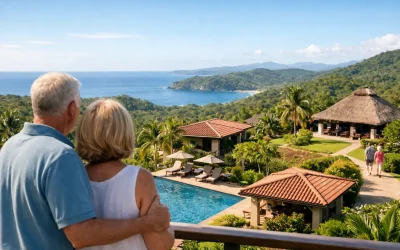


One road in Costa Rica can tell you almost everything about the property market. A paved stretch that suddenly reaches a new beach town. A cluster of cafes where there used to be only a sodita and a surf shop. Fiber internet lines, boutique hotels, yoga studios, private schools, a new grocery concept, and then the inevitable question from international buyers: is this still a good time to buy?
That is where Costa Rica real estate investment gets interesting. It is not a one-size-fits-all market, and anyone selling it that way is skipping the part that matters most. In Costa Rica, returns are tied to location, access, legal diligence, infrastructure, rental demand, and a buyer’s patience. The country still has the magnetic pull that has drawn retirees, entrepreneurs, surfers, wellness seekers, and second-home buyers for decades, but smart investing here starts with understanding the local rhythm rather than chasing the loudest hotspot.
Why Costa Rica’s real estate investment still draws global buyers
People rarely come to Costa Rica for spreadsheets alone. They come for light, weather, nature, and a lifestyle that feels more grounded. Then they begin to notice something else: demand is not driven by just one buyer profile. Tourism supports vacation rentals. Relocation fuels long-term leases. Remote work broadens the map beyond traditional city centers. And lifestyle buyers often become repeat buyers once they understand the market.
That mix gives Costa Rica unusual resilience. A beach condo in a well-managed development may appeal to short-term rental investors. A gated home near schools and services may be better suited to families relocating full-time. A mountain-view parcel outside a growing town may suit a buyer willing to wait for infrastructure and appreciation. The point is not that every property will perform. The point is that demand comes from several directions at once.
Costa Rica also benefits from a reputation many countries would love to have. Political stability, no standing army, strong environmental identity, and a mature tourism economy all support long-term appeal. That does not erase risk, but it does explain why the market continues to attract attention from North American and European buyers who want both asset potential and a meaningful lifestyle connection.
Not all markets in Costa Rica move the same way
If you have spent any time in the country, you already know that Costa Rica changes dramatically from coast to coast and from valley to mountain. Real estate follows that same pattern.
The Pacific coast has long captured the biggest share of international attention. Areas in Guanacaste, especially those with strong tourism infrastructure and reliable airport access, tend to remain high on investor lists. These markets often have the clearest vacation rental logic, but they also come with higher entry prices and stiffer competition. In the most established zones, the easy bargains are usually gone.
The Central Valley tells a different story. Buyers looking for year-round living, medical access, schools, and business convenience often prefer communities around San Jose, Escazu, Santa Ana, Grecia, Atenas, or beyond. Returns there may come less from nightly rentals and more from stable long-term demand. For some investors, that trade-off is welcome. Lower management intensity can matter just as much as headline yield.
On the Caribbean side and in lesser-known inland areas, there is still room for buyers who think in longer timelines. These markets can be compelling, especially where tourism is growing or infrastructure is improving, but they demand more homework. Access, utilities, title review, and exit strategy matter even more when you are buying ahead of the curve.
What actually makes a property perform
In Costa Rica, beauty is common. Performant is more specific.
A property tends to do well when it solves a real problem for a clear buyer or renter. That could mean walkability to the beach, backup water systems, secure parking, strong internet, legal vacation rental use, or proximity to restaurants and healthcare. It may not sound glamorous, but reliable basics often separate the homes that stay booked from the ones that photograph well and disappoint in person.
Management is another quiet factor that shapes returns. A condo in a sought-after area can underperform if the HOA is weak, reserves are thin, or maintenance slips. A house with dazzling ocean views can become a burden if access is difficult in rainy season or repairs require constant oversight. Foreign buyers sometimes underestimate how much operational reality affects investment results.
Then there is land. Land can be exciting in Costa Rica, especially in growth corridors, but it is not passive. Before buying raw land, investors should understand zoning, water availability, road access, topography, and whether the dream on paper matches what can actually be built. A stunning parcel without the right approvals can sit still for years.
The legal side is where smart buyers protect themselves
Costa Rica welcomes foreign ownership, and that openness is one reason the market remains attractive. But welcoming does not mean casual. Buyers need proper legal review, title verification, boundary confirmation, and a clear understanding of concessions, corporate structures, taxes, and municipal rules.
This is especially true near the coast. Maritime zone regulations can affect what rights attach to certain properties. Some beachfront opportunities are exactly that – opportunities. Others are misunderstandings waiting to become expensive. The difference usually comes down to due diligence done by the right professionals.
The same goes for rental use. If you are buying with income in mind, do not assume every property can operate the same way. HOA rules, permits, tax obligations, and management logistics should be understood before the offer, not after the first guest complaint. Costa Rica rewards buyers who slow down enough to ask better questions.
The lifestyle premium is real, but so are the trade-offs
Part of what makes Costa Rica real estate investment so appealing is that many buyers are not choosing between profit and pleasure. They want both. They may plan to use the home part of the year, rent it seasonally, and hold for appreciation. That hybrid strategy can work well here, especially in desirable lifestyle markets.
Still, trade-offs come with the territory. High-demand coastal areas may offer better rental potential but also bring seasonality, higher service costs, and more competition. Quiet mountain towns may deliver a richer day-to-day lifestyle and lower stress, but appreciation can be slower and buyer pools narrower. Newer growth zones may promise upside, but they require patience and a stronger stomach for uncertainty.
That is why the best investment is often the one aligned with your actual objective. If you want income now, buy where occupancy drivers are already proven. If you want a retirement base that can hold value, prioritize livability and services. If you want land for future development, be prepared for a slower game and more complexity.
A practical way to evaluate the market
The strongest buyers in Costa Rica rarely start with the listing. They start with a use case.
Ask what the property needs to do. Is it meant to generate short-term rental income, preserve capital, support a future move, or anchor a personal lifestyle plan? Once that answer is clear, the field narrows quickly.
After that, spend time on the ground. Visit in the dry season and, if possible, in the green season too. Drive the roads yourself. Check grocery access, not just sunsets. Test internet speed. Notice whether the town feels established or speculative. In a market shaped by micro-locations, one hillside can feel completely different from the next.
Then look beyond the asking price. Include closing costs, furnishing, insurance, property management, maintenance, HOA dues, vacancy assumptions, and the reality of tropical wear. Costa Rica can be a rewarding place to own property, but it is not a market for fantasy math.
FAQs
Is Costa Rica a good place to invest in real estate?
It can be, especially for buyers who understand the local market and match the property to a clear goal. The strongest opportunities are usually tied to proven demand, legal clarity, and realistic ownership costs.
Can foreigners own property in Costa Rica?
Yes, in most cases foreigners can own property in Costa Rica with the same rights as citizens. Coastal and concession properties may involve different rules, so legal review is essential.
What areas are best for Costa Rica real estate investment?
That depends on strategy. Guanacaste and other Pacific beach markets often appeal to vacation rental investors. The Central Valley may be stronger for full-time living and long-term rentals. Emerging areas can offer upside, but with more uncertainty.
Do vacation rentals perform well in Costa Rica?
They can perform very well in the right location with strong management and the right amenities. Performance varies by season, access, competition, and local regulations.
What is the biggest mistake buyers make?
Falling in love with the scenery before confirming legal status, infrastructure, carrying costs, and realistic income potential. In Costa Rica, emotion should be part of the purchase, just not the whole purchase.
Costa Rica has a way of making people imagine a different life. That is part of its power, and part of its challenge. The best investments here are rarely rushed. They are chosen with clear eyes, local guidance, and enough patience to let the country reveal what is real beneath the surface.