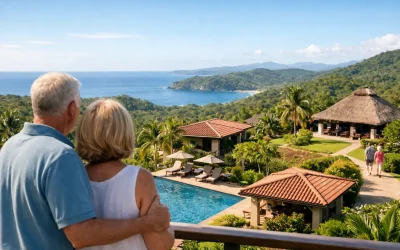


Not all beach towns in Costa Rica feel like paradise once the suitcases are unpacked and real life begins. A town can be gorgeous at sunset and still frustrate you with traffic, water issues, weak cell service, or a rental market that spikes every high season. If you are researching Costa Rica beach towns to live in, the smart question is not just which place is beautiful. It is the place that fits the life you actually want to build.
That makes this less about ranking the “best” town and more about finding the right coastal rhythm. Some people want walkability, cafés, and a ready-made expat network. Others want quieter beaches, a stronger connection to local life, or better value a few minutes inland. Costa Rica’s coasts offer all of that, but rarely in the same place.
How to judge Costa Rica beach towns to live in
Before choosing a dot on the map, think in layers. Daily convenience matters more than vacation appeal. Can you get quality healthcare within a reasonable drive? Is there a dependable grocery scene, decent internet, and year-round road access? If you have children, school options can quickly narrow your shortlist. If you work remotely, power stability and backup solutions matter more than the ocean view.
Climate also changes the equation. The Pacific side has a long dry season in many areas, especially in Guanacaste, while parts of the Southern Zone stay greener and wetter. That sounds romantic until you are managing mold, muddy roads, or longer rainy-season drives. On the other hand, people who dislike the hotter, browner months in the north often prefer the lush feel of the south.
Then there is cost. The most famous beach towns tend to carry imported prices, especially where tourism and real estate demand run high. Living five to fifteen minutes inland can dramatically lower rent or purchase prices while keeping the beach close. That trade-off works well for many full-time residents.
Tamarindo
Tamarindo is often the first town international buyers and relocators consider, and for good reason. It is one of the easiest places in coastal Costa Rica to land without feeling isolated. You have supermarkets, clinics, restaurants, coworking-friendly cafés, surf schools, and a large English-speaking community. For someone making a first move abroad, that familiarity can reduce friction.
The trade-off is that Tamarindo can feel busy, commercial, and more expensive than many newcomers expect. Traffic has grown. The town has energy, but not everyone wants that much motion around them year-round. If you like convenience, social life, and a strong service ecosystem, Tamarindo works. If you are chasing a quieter Costa Rican feel, it may feel too polished.
Nosara
Nosara has built a reputation around wellness, surf, and intentional living. It attracts remote workers, entrepreneurs, families, and long-stay residents who want a community centered on health, nature, and a certain understated luxury. The beaches are beautiful, the surf is consistent, and the area has a distinct identity that people either love or find a little self-serious.
Livability here depends heavily on budget and expectations. Nosara is not cheap, and infrastructure can still feel rough compared to the price point. Roads, dust in the dry season, and mud in the rainy season are part of the package. For many residents, the protected landscape and low-rise character make those inconveniences worth it. For others, the premium pricing is hard to justify.
Samara
Samara is one of the friendliest answers to the question of where to live on the beach in Costa Rica. It strikes a balance that many towns struggle to find. It is lively but not overwhelming, international but still relaxed, and practical enough for long stays without losing its beach-town ease.
Families often like Samara because the bay is calmer than many surf-heavy beaches, and the town feels approachable. You can walk around, settle into routines, and build community without trying too hard. It is not immune to rising prices, but it often feels less intense than larger-name markets. If you want a softer landing with a genuine sense of place, Samara deserves serious attention.
Flamingo and Potrero
These neighboring communities in Guanacaste appeal to buyers looking for a more residential coastal life with a polished edge. Flamingo brings marina access, upscale homes, and a strong draw for boating and sportfishing enthusiasts. Potrero, just next door, often feels a bit more grounded and practical while still benefiting from the same general area.
This pocket works well for people who want beautiful beaches and a calmer atmosphere than Tamarindo, without giving up access to services. The downside is that social and commercial life can feel more spread out, and some residents find the area better for homeowners than renters hunting for value. It is a good fit for those who want comfort, views, and a less frenetic pace.
Santa Teresa
Santa Teresa remains magnetic. Surf culture, striking scenery, strong food options, and an unmistakable international crowd give it a style all its own. For some residents, it feels energizing and creatively charged. For others, it feels overexposed and expensive.
Living here long-term requires tolerance for the realities behind the image. Roads can be rough, dust is constant in the dry season, and prices often reflect global demand more than local logic. Still, if your ideal life includes world-class surf, yoga, stylish cafés, and a social scene that never fully goes quiet, Santa Teresa may feel worth every inconvenience.
Dominical
Dominical sits in a different emotional register from the northern beach towns. It is greener, moodier, and more tied to the Southern Pacific’s dramatic natural setting. The surf is serious, the jungle feels close, and the pace tends to attract people who want less gloss and more edge.
For full-time living, Dominical can be a strong choice for artists, surfers, nature lovers, and anyone drawn to a more alternative atmosphere. It is smaller, and that means fewer conveniences. Some people love that limitation. Others eventually want more retail, better roads, or easier access to broader services. Nearby Uvita often enters the conversation for that reason.
Uvita
Uvita has grown into one of the most talked-about Costa Rica beach towns to live in, especially for buyers looking at the Southern Zone. It offers a good mix of natural beauty and practical growth. You have access to beaches, waterfalls, jungle-covered hills, and a town that increasingly supports everyday needs.
It also feels like a place in transition. Development has expanded, and with that comes both opportunity and pressure. Buyers and renters need to look closely at drainage, road quality, water access, and what “close to town” really means in the rainy season. Uvita appeals to people who want space, greenery, and long-term potential, but it rewards careful due diligence.
Puerto Viejo
On the Caribbean coast, Puerto Viejo offers a completely different cultural texture. Afro-Caribbean heritage, reggae rhythms, lush landscapes, and a looser, more eclectic atmosphere set it apart from the Pacific. For some people, this is the Costa Rica they connect with most deeply.
Living here is less about polished infrastructure and more about lifestyle alignment. The area has strong character, beautiful beaches, and a distinct food and music scene. It can also feel less predictable regarding roads, services, and property considerations. If you want a beach town with soul, color, and a cultural identity all its own, Puerto Viejo is hard to match.
What matters more than the postcard
The most successful relocations usually happen when people stop asking, “Where should I live?” and start asking, “How do I want my days to feel?” Do you want to walk to coffee and dinner, or are you fine driving everywhere? Do you want an active expat network, or do you prefer a more local environment where connections take longer? Are you optimizing for surf, schools, rental income, or a peaceful retirement?
It also helps to visit in different seasons. A town that feels breezy and effortless in February may feel very different in October. Talk to residents, not just salespeople. Test the roads at night. Check your phone signal inside the house, not just outside the gate. Costa Rica rewards people who choose with both heart and homework.
The right beach town is the one that still feels good on an ordinary Tuesday, when the waves are average, the grocery list is long, and you are not on vacation anymore.
FAQ
What is the most affordable beach town in Costa Rica?
Sámara and areas slightly inland from popular towns often offer better value.
Which beach town is best for families?
Sámara and Nosara are popular for their community feel and safety.
Where is the best internet for remote work?
Tamarindo and Nosara generally have the most reliable connectivity.
Is it cheaper to live inland near the beach?
Yes, living 5–15 minutes inland can significantly reduce costs.
Which coast is better: Pacific or Caribbean?
The Pacific offers more infrastructure, while the Caribbean offers a stronger culture and uniqueness.