

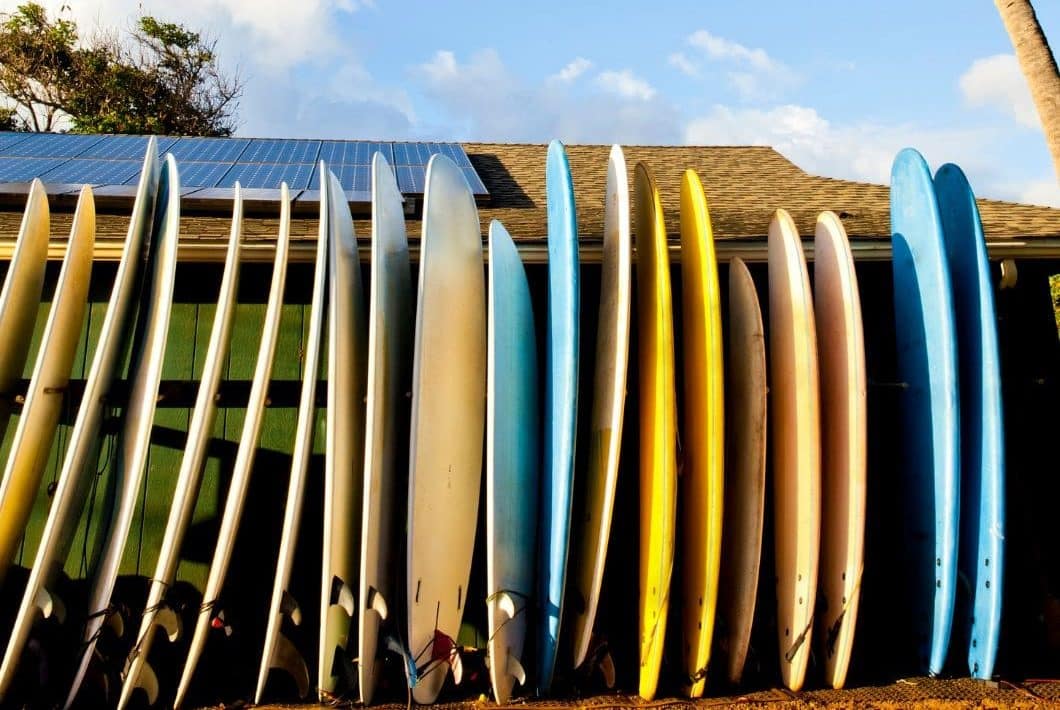
Determining what kind of surfer you are and the appropriate type of surfboard depends on several factors including your ability level, height, weight, and the typical surfing conditions you face. Here’s a general guide to help you find the right board for your surfing needs:
Beginner Surfers
Characteristics:
– Usually learning to catch and ride waves.
– Need stability and volume for easier paddling and standing.
Recommended Boards:
– Soft Top Boards: These are great for beginners due to their foam construction, which provides extra buoyancy and safety.
– Longboards: Typically 8 to 9 feet long, longboards are perfect for beginners because of their stability.
Intermediate Surfers
Characteristics:
– Comfortable catching waves and starting to perform basic maneuvers.
– Looking for more maneuverability than stability.
Recommended Boards:
– Funboards: Ranging from 7 to 8 feet, these boards offer a good balance between the paddle power of longboards and the maneuverability of shorter boards.
– Fish Boards: Usually shorter, wider, and thicker than a shortboard, fish boards are great in smaller, mushier waves and are good for surfers looking to transition to shorter boards.
Advanced Surfers
Characteristics:
– Can surf a wide range of wave conditions and perform complex maneuvers.
– Typically prefer performance and agility over stability.
Recommended Boards:
– Shortboards: These boards are generally between 5’6″ and 7’0″ in length and are designed for quick maneuvers and surfing in critical wave sections.
– Hybrid Boards: A mix of a shortboard and fish board, offering performance in a variety of wave conditions without sacrificing speed and paddle power.
Surfboard Selection Based on Height and Weight
– **Volume Calculator**: Many websites and surf shops provide volume calculators where you input your height, weight, and skill level, and it suggests an appropriate volume (in liters). This volume influences your board choice, helping to ensure it has enough buoyancy to float you properly while still being maneuverable.
Other Considerations
– Wave Type: The typical wave conditions at your local spots can also influence the choice of board. Larger, more buoyant boards like longboards are preferable for small, slow waves, while short, agile boards are better for fast, barreling waves.
– Personal Preference: Personal style and preference play a big role. Some surfers might prefer a slightly bigger or smaller board than what’s typically recommended for their skill level or body type.
By considering these factors, you can choose a surfboard that best suits your surfing style, ability, and the conditions you usually face. Experimentation is also key, as your needs might change as you grow in skill and confidence