Sign Pollution!!
Commercial billboards have become a growing concern in parts of Costa Rica because they can visually disrupt the natural landscapes that the country is famous for. Although the country markets itself globally as an eco-tourism destination, the spread of roadside advertising has in some areas conflicted with that image.
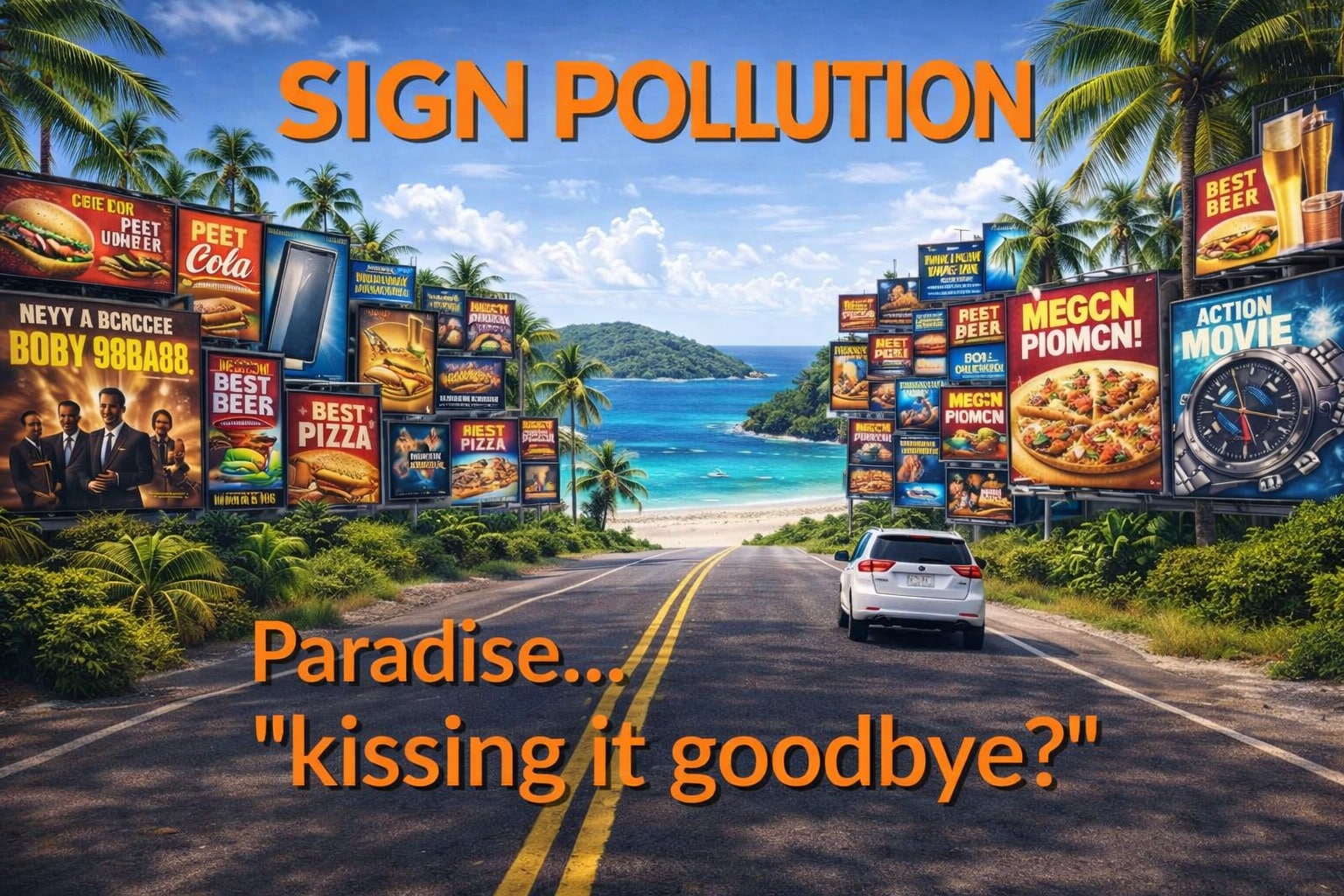
There is one stretch of road I was inundated with signs, from Brasilito going north to Flamingo in the Guanacaste region. I’m sure you have observed sections where you live and noticed.
Here are the main ways billboards have affected scenic views:
(Editor’s note: Howler Media recognizes the battle, the boundaries, and finding a balance in the Costa Rica tourism industry. See the links below to see other articles on this subject.)
1. Visual Pollution of Natural Landscapes
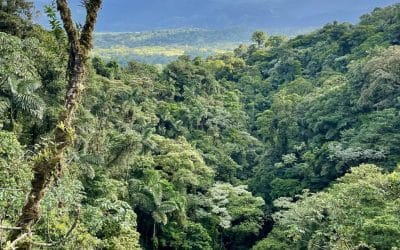
Large roadside billboards can block or distract from views of forests, mountains, and coastlines. Along major highways and tourist routes—such as the roads connecting San José with the Pacific beaches or the airport routes toward Liberia—advertising signs sometimes dominate the skyline.
Instead of seeing uninterrupted rainforest or ocean views, travelers may see clusters of advertisements for hotels, liquor brands, casinos, or real estate.
2. Clutter Along Tourist Corridors
Tourism-heavy regions like Guanacaste Province and beach towns such as Playas del Coco have experienced billboard clustering near busy roads. Businesses compete for visibility, leading to:
- Multiple signs stacked closely together
- Oversized billboards towering above trees
- Bright colors or lighting that stand out against natural scenery
This can create what locals sometimes call “visual clutter.”
3. Blocking Iconic Coastal and Mountain Views
In some places, billboards are placed where roads run parallel to the ocean or mountain valleys. These signs can partially block views that would otherwise be panoramic—especially on narrow coastal roads where there are few vantage points.
For example, along some Pacific coastal routes in Guanacaste, billboards advertising resorts or tours may interrupt views of beaches and sunsets.
4. Conflict with the Country’s Eco-Brand
Costa Rica promotes itself through campaigns such as Essential Costa Rica, emphasizing sustainability and nature protection. Excessive commercial signage can undermine that message because:
- Visitors expect pristine landscapes
- Billboards feel more typical of highly commercialized tourist destinations
- They clash with the country’s conservation image
5. Regulatory Gaps and Local Enforcement Issues
Although Costa Rica has regulations about roadside advertising, enforcement varies by municipality. Some areas strictly limit billboards near protected zones or parks, while others allow them along major highways.
Efforts have been made to regulate signage near protected areas like Manuel Antonio National Park, but outside protected zones commercial signage still appears.
The main issue: Costa Rica’s landscapes are one of its biggest economic assets. When billboard density increases along scenic roads, it creates visual pollution that competes with the very scenery tourists come to see.
Interesting contrast: Some countries (like parts of the U.S. state of Vermont) have banned roadside billboards entirely to preserve scenic views. Similar ideas are occasionally discussed in Costa Rica, especially in tourism regions.
Related articles:
The Good, the Bad, and the Ugly