

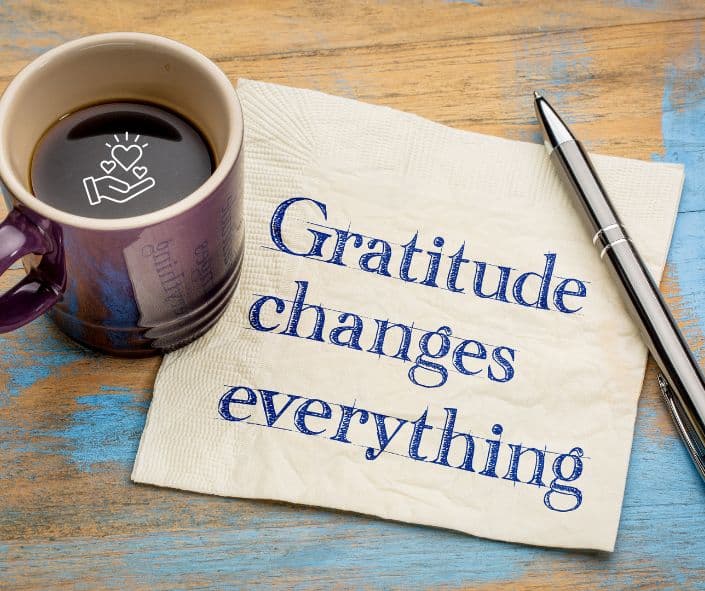
A lifestyle of gratitude and thankfulness offers multiple mental and emotional benefits, including reducing stress and anxiety, improving mood, boosting psychological resilience, enhancing well-being, and fostering positive social connections.
Mental Benefits of Gratitude
- Practicing gratitude shifts focus from negative to positive thoughts, which helps reduce symptoms of depression and anxiety by lowering stress hormone levels and promoting relaxation.
- It enhances resilience, enabling better coping with adversity and challenges by encouraging a positive outlook and aiding emotional recovery.
- Gratitude practice is linked to improvements in sleep quality and duration, supporting overall mental health and cognitive functioning.
- Regular gratitude engagement can lead to lasting positive changes in the brain, reinforcing a grateful mindset and emotional stability over time.
Emotional Benefits of Thankfulness
- Gratitude amplifies positive emotions such as joy, contentment, and satisfaction, enriching overall life happiness.
- It strengthens social bonds by fostering empathy, reducing aggression, and enhancing feelings of connectedness through appreciation of others.
- Thankfulness acts as a grounding technique, helping individuals manage uncomfortable emotions and maintain emotional balance.
- It promotes higher self-esteem and confidence by reducing negative self-comparisons and encouraging gratitude for one’s own strengths and circumstances.
- Emotional benefits also include reduced feelings of jealousy, resentment, and psychological pain, contributing to a more optimistic and peaceful emotional state.
HOW GRATITUDE REDUCES DEPRESSION AND ANXIETY
Gratitude practice reduces symptoms of depression and anxiety by influencing brain chemistry, promoting positive emotional states, and shifting focus away from negative thought patterns. These mechanisms help in alleviating psychological distress and fostering a healthier mental state.
How Gratitude Affects the Brain and Emotions
- When practicing gratitude, the brain releases chemicals like dopamine and serotonin, which are associated with happiness and reduced stress.
- This biochemical response helps in regulating mood and fostering feelings of well-being, thereby counteracting depressive symptoms.
- Gratitude interventions activate areas of the brain involved in positive emotions, which can protect against feelings of anxiety and stress, leading to a calmer mood.
Impact on Negative Thought Patterns
- Gratitude shifts attention from worries, negative self-talk, and rumination—common contributors to depression and anxiety—toward positive aspects of life.
- Regular gratitude exercises, like journaling or reflection, help develop a habit of focusing on what is good, which diminishes pessimism and negative thinking.
- This mental reframing strengthens resilience and enhances the ability to cope with stressful situations, reducing overall anxiety.
Therapeutic and Long-term Benefits
- Studies indicate that acts of gratitude can significantly lower symptoms of depression and anxiety when used as a complementary intervention alongside psychotherapy or medication.
- Gratitude-based activities, such as writing gratitude journals or expressing thanks, have shown to produce lasting positive psychological effects with no negative side effects.
- These interventions also improve sleep quality, immune function, and social relationships, all of which contribute to better mental health.
In summary, gratitude practice reduces depression and anxiety symptoms by promoting positive neurochemical changes, decreasing negative cognitive patterns, and reinforcing emotional resilience, making it a safe, accessible, and effective mental health strategy.

Former Navy Journalist, published author and international speaker. Howler executive since 2019.