

The Best Way to Use Marijuana for Pain Relief: Smoking, Edibles, and the Power of Brownies
Finding Relief: Can Marijuana Help with Pain?
If you’re dealing with chronic pain, you’ve likely tried a long list of remedies—some helpful, others not so much. But marijuana has been making waves in the medical world for its powerful pain-relieving properties. Whether you’re suffering from arthritis, migraines, or nerve pain, cannabis might be the natural solution you’ve been searching for. But how you consume it matters. Should you light up a joint for quick relief, or is a slow-burning edible the better choice? Let’s break it down.
Smoking vs Edibles: Which is Better for Pain Relief?
The right choice depends on your pain type and lifestyle. Smoking offers instant relief, but the effects wear off faster. Edibles take their time to kick in, but they deliver long-lasting comfort.
Pros and Cons of Smoking Marijuana for Pain Relief
- Pros: Rapid relief (within minutes), easy to control dosage
- Cons: Shorter duration, potential lung irritation, noticeable odor
Pros and Cons of Edibles for Pain Relief
- Pros: Long-lasting effects (4–8 hours), discreet consumption, no lung strain
- Cons: Takes 30–90 minutes to take effect, harder to control dosage, more potent high
How Does Marijuana Actually Work for Pain?
Marijuana interacts with the body’s endocannabinoid system, which regulates pain, mood, and inflammation. It helps calm nerve pain, reduces muscle spasms, and eases inflammation—perfect for conditions like fibromyalgia, multiple sclerosis, and chronic back pain.
Are Marijuana Brownies Effective for Pain Relief?
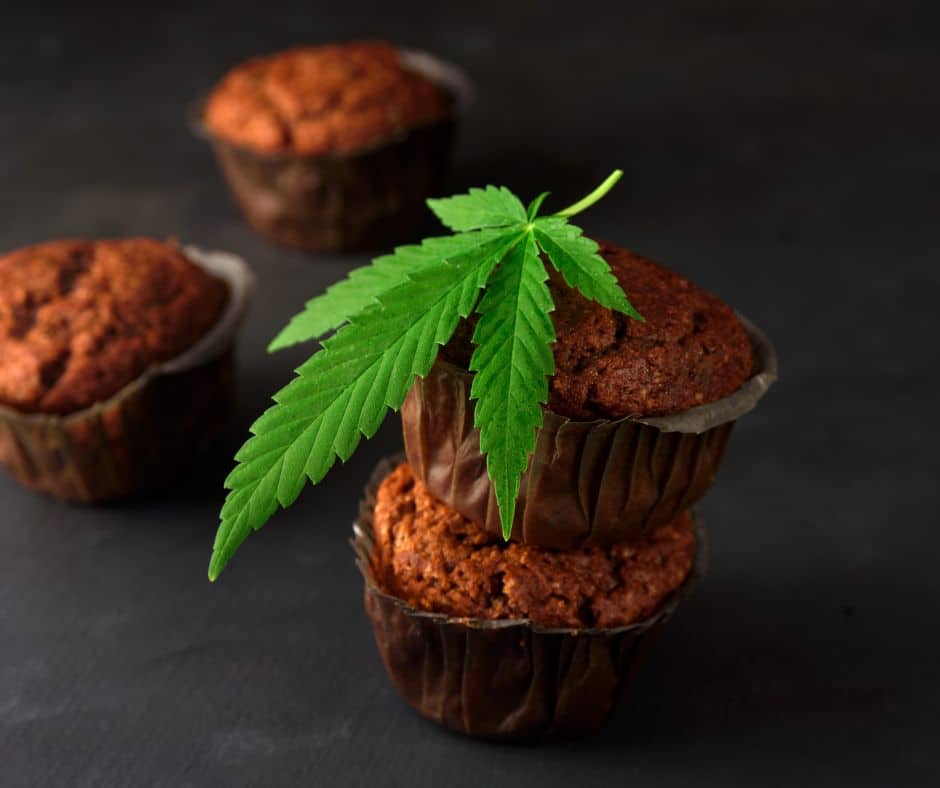
Absolutely! Marijuana brownies are a tried-and-true method for pain relief. Since the THC is processed through the liver, edibles provide a stronger, longer-lasting effect than smoking. Just be cautious—these tasty treats can sneak up on you, so start with a small dose.
FAQs About Marijuana and Pain Relief
How Long Does Marijuana Take to Work for Pain?
- Smoking: Almost instantly
- Edibles: 30–90 minutes, but effects last much longer
What Are the Side Effects of Using Marijuana for Pain?
Common side effects include dry mouth, drowsiness, dizziness, increased appetite, and, occasionally, anxiety.
How Much Marijuana Should I Take for Pain?
- Smoking: Start with 1–2 puffs and increase if needed.
- Edibles: Start with 5–10mg THC and wait at least two hours before taking more.
Are Edibles More Effective Than Smoking?
Yes! Edibles tend to be more potent and last longer, making them ideal for extended pain relief.
Can CBD Work Instead of THC for Pain?
Yes! CBD provides pain relief without the high, making it a great option for those who prefer a clear-headed experience.
Final Thoughts: Which Marijuana Method is Best for You?
If you need fast relief, smoking might be your best bet. If you want something that lasts for hours, edibles—especially brownies—are the way to go. No matter your choice, marijuana offers a natural alternative to pain medications, often with fewer side effects. The key is to start slow, pay attention to your body’s response, and enjoy the relief cannabis can bring.