

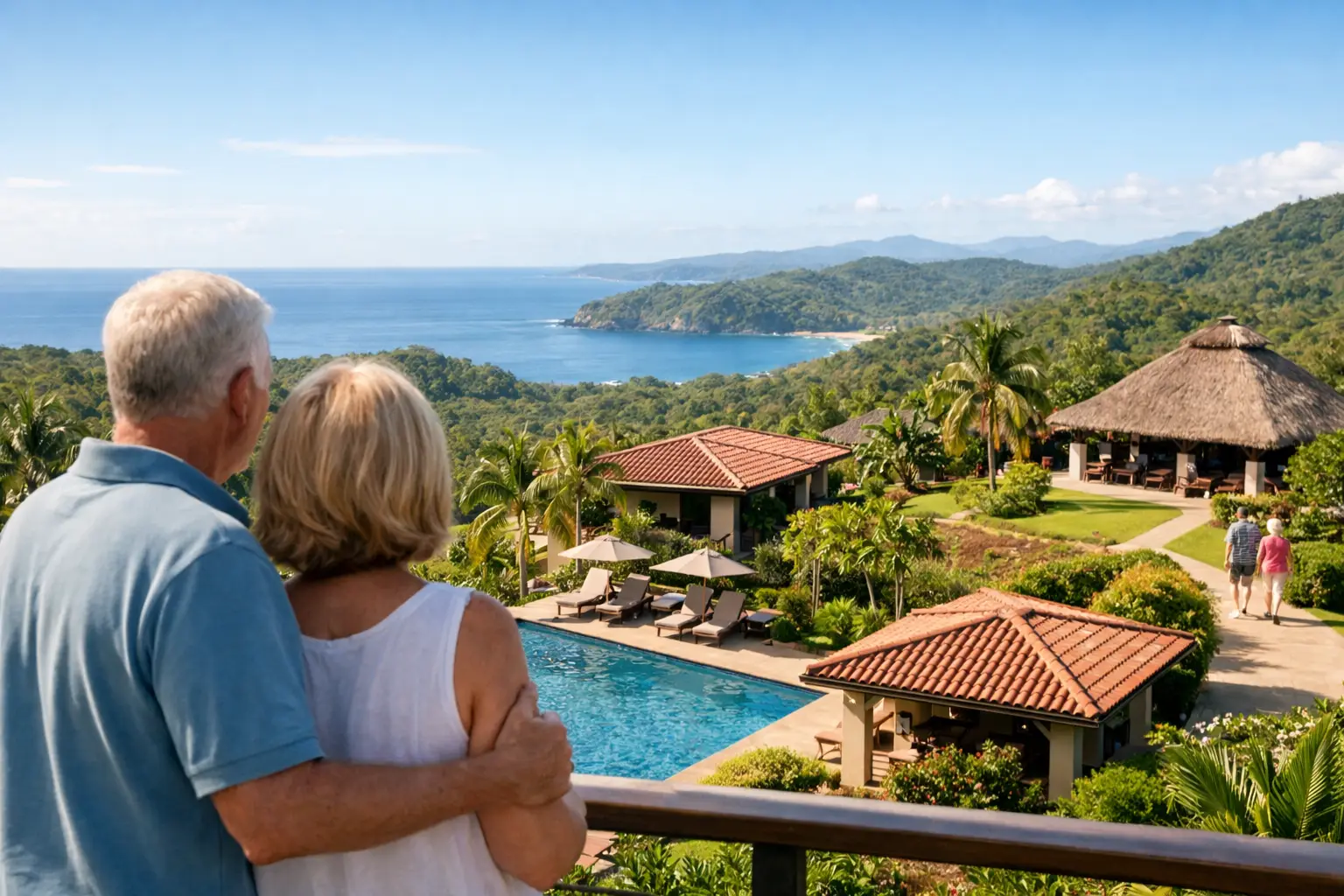
The first surprise about Costa Rica retirement communities is that many of them do not look or feel like the gated, golf-cart version of retirement some people imagine. In Costa Rica, retirement can mean a villa in a walkable beach town, a condo near private medical care, or a small residential enclave where neighbors share sunset views, gardeners, and stories from three continents. The question is not simply where to retire. It is what kind of life you want waiting for you when you wake up.
What Costa Rica retirement communities really look like
In the United States, the phrase often suggests age-restricted developments with clubhouses and a predictable social calendar. In Costa Rica, the landscape is broader. Some communities are purpose-built for retirees, with shared amenities, security, transportation options, and easy access to healthcare. Others are mixed-age developments that happen to attract retirees because they offer the right balance of comfort, beauty, and convenience.
That distinction matters. If you want organized activities, a strong built-in social circle, and homes designed for lower-maintenance living, a retirement-focused development may feel reassuring. If you would rather live among families, entrepreneurs, surfers, artists, and fellow expats, a more integrated residential community might feel richer and more connected to everyday Costa Rican life.
The best choice depends less on age than on temperament. Some people want peace and structure. Others want a little more spontaneity, a little more town noise, and a little less insulation from the country they came to experience.
Why retirees choose Costa Rica in the first place
Retirement in Costa Rica has long appealed to people who are trying to trade pace for presence. Morning coffee tastes different when scarlet macaws cross the sky or mist drifts over a mountain ridge. Daily life can feel lighter here, but that does not mean it is effortless.
People come for the climate, the natural beauty, and the sense that life can be arranged more intentionally. They stay because Costa Rica offers a rare blend of modern convenience and outdoor living. Good private healthcare is a major draw. So is the chance to live in a place where wellness is not sold as a trend but woven into the rhythm of the day – walking, fresh food, ocean air, conversation, sunlight.
There is also emotional logic behind the move. Many retirees are not looking to disappear into retirement. They want a chapter that still feels vivid. Costa Rica answers that desire well, whether your idea of a good week includes farmers markets, Spanish lessons, beach swims, volunteer work, or a long lunch with friends under a shade tree.
The main types of Costa Rica retirement communities
Not every retiree wants the same version of paradise, and Costa Rica is full of microclimates and personalities. Along the coast, you will find communities that appeal to people who want warm weather, ocean access, and a strong expat network. These areas can be lively, social, and easy to settle into, especially if you are still learning Spanish. The trade-off is that some beach markets carry higher real estate prices, busier high seasons, and a more internationally shaped atmosphere.
In the mountain regions and the Central Valley, retirement communities often attract people who prefer spring-like temperatures, established infrastructure, and closer proximity to major hospitals, shopping, and services. These areas can feel more practical for full-time living, especially for retirees who prioritize healthcare access or want to be within easier reach of airports and urban amenities.
Then there are smaller towns where retirement is less about formal community design and more about joining an existing local rhythm. That can be deeply rewarding, but it asks more of you. Integration takes patience. Expectations need adjusting. Convenience may be lower, but authenticity often runs higher.
What matters more than the sales brochure
A beautiful pool and tropical landscaping are easy to photograph. The real test is what life feels like in October, in traffic, during a medical appointment, or after you have lived there for six months.
Healthcare should sit near the top of your list. Costa Rica offers both public and private options, and many retirees rely heavily on private care for speed and comfort. A community that feels idyllic but puts you far from trusted doctors may lose its shine quickly. If you have ongoing medical needs, do not treat this as a detail.
Walkability also deserves more attention than it usually gets. Can you comfortably reach a grocery store, pharmacy, café, or beach without always driving? A retirement that depends on constant car use can feel more limiting than expected, especially over time.
Climate is another overlooked factor. Costa Rica is small, but weather varies dramatically. Some retirees fall in love with a place during the dry season, then struggle with the humidity, heat, or rain when the seasons turn. Visiting more than once, and in different months, can save you from a costly romantic decision.
Costs, value, and the myth of cheap living
Costa Rica can be more affordable than many parts of North America, but it is not uniformly cheap, and retirees who arrive expecting bargain-basement living are often caught off guard. Imported goods, private healthcare, high-demand real estate, and certain services can cost more than expected. Beach areas popular with foreign buyers may feel especially pricey.
That said, value is different from cheapness. Many retirees find they spend money differently here. They may pay less for household help or local produce and more for insurance, imported food, or housing in desirable communities. The result can still feel worthwhile because quality of life improves in ways that do not fit neatly on a spreadsheet.
The smartest approach is to build a real-world budget based on your preferred location and lifestyle, not on generic online promises. Do you want gated security, ocean views, and concierge-style amenities? You will pay for that. Are you comfortable with a simpler home in a less polished area that still offers beauty and community? Your money may stretch much further.
Community, culture, and the human side of the move
One of the most telling questions is not what your house will look like. It is who your neighbors will be.
Some retirement communities in Costa Rica are socially rich from day one. Residents organize dinners, language exchanges, rides to medical appointments, and beach cleanups. That kind of built-in connection can make a major life move easier, especially for solo retirees or couples leaving long-standing networks behind.
Still, there is a difference between living near Costa Rica and living in Costa Rica. If your community functions as a closed bubble, you may miss some of what makes this country extraordinary – the warmth of local relationships, the civic pride, the holiday traditions, the ordinary interactions that slowly become the fabric of home.
The strongest retirement experiences often happen when comfort and curiosity coexist. You want enough support to feel secure, but enough openness to remain engaged with the place itself.
Questions to ask before choosing a Costa Rica retirement community
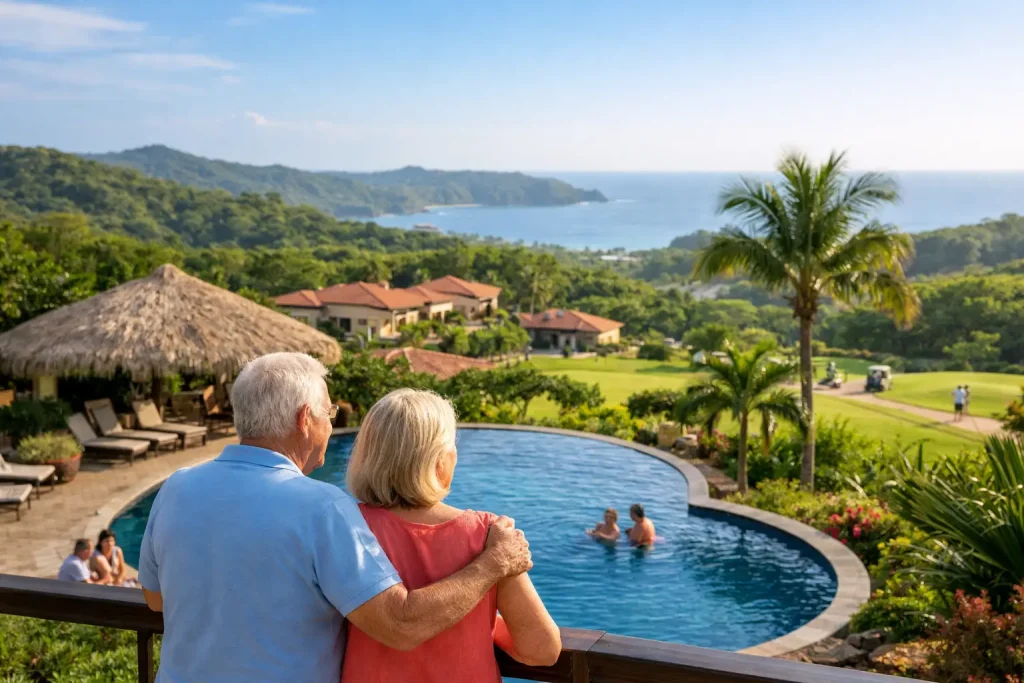
Before committing, ask practical questions with no romance attached. Who manages the property, and how solid is that management? What are the monthly fees, and what do they actually cover? Is the water supply reliable? How stable is the internet service? What is the rainy season like on this specific road, not just in this region?
Ask residents what they wish they had known before moving in. Ask whether the community changes dramatically in high season. Ask about noise, maintenance delays, healthcare access, and resale demand. You are not being negative. You are trying to see the full picture.
If you are buying property, legal due diligence is essential. Costa Rica rewards informed buyers and can punish casual assumptions. Titles, permits, condominium rules, and service agreements all deserve careful review by qualified professionals.
A retirement community should fit your life, not the other way around
The right place in Costa Rica is rarely the one with the most polished marketing. It is the one that supports your actual daily habits, your health, your budget, and your sense of belonging. For some, that means an amenity-rich coastal enclave. For others, it means a quieter home in the hills, close to doctors and morning markets.
Costa Rica has a way of clarifying what matters. You start by looking for a property and end up defining a lifestyle. That is why this decision deserves time, honesty, and a little humility. Paradise is not one-size-fits-all, and retirement works best when it feels less like escape and more like arrival.
If you are considering the move, spend enough time on the ground to notice the ordinary details. Listen to the town at night. Test the roads. Talk to residents. Eat where they eat. That is where the real answer lives.
FAQs about Costa Rica retirement communities
Are there true retirement communities in Costa Rica?
Yes, but they vary widely. Some are designed specifically for retirees with shared amenities and support services, while others are general residential communities that attract retirees because of location, convenience, and lifestyle.
What is the best area for retirees in Costa Rica?
It depends on your priorities. Beach areas appeal to people who want ocean living and active expat circles. The Central Valley and mountain towns often suit retirees who want cooler weather, healthcare access, and easier day-to-day logistics.
Is healthcare good near Costa Rica retirement communities?
In many popular retirement areas, yes, especially if you plan to use private healthcare. Access is usually strongest near larger towns and the Central Valley. More remote communities may require longer travel for specialists or major procedures.
Is Costa Rica affordable for retirement?
It can be, but affordability depends on where and how you live. A modest lifestyle in a less expensive town looks very different from a luxury home in a high-demand coastal community.
Do I need to speak Spanish to live in a retirement community in Costa Rica?
Not always, especially in areas with large expat populations. Still, learning Spanish makes daily life easier and opens the door to a deeper connection with the country and its people.
Have you visited a community in Costa Rica that felt instantly like home, or one that looked perfect until the practical details changed your mind? What matters more to you in retirement – healthcare and convenience, or scenery and lifestyle?
If Costa Rica is on your shortlist, keep asking better questions and spend time in the places that pull you in. The right fit is usually found in the details, not the brochure.