

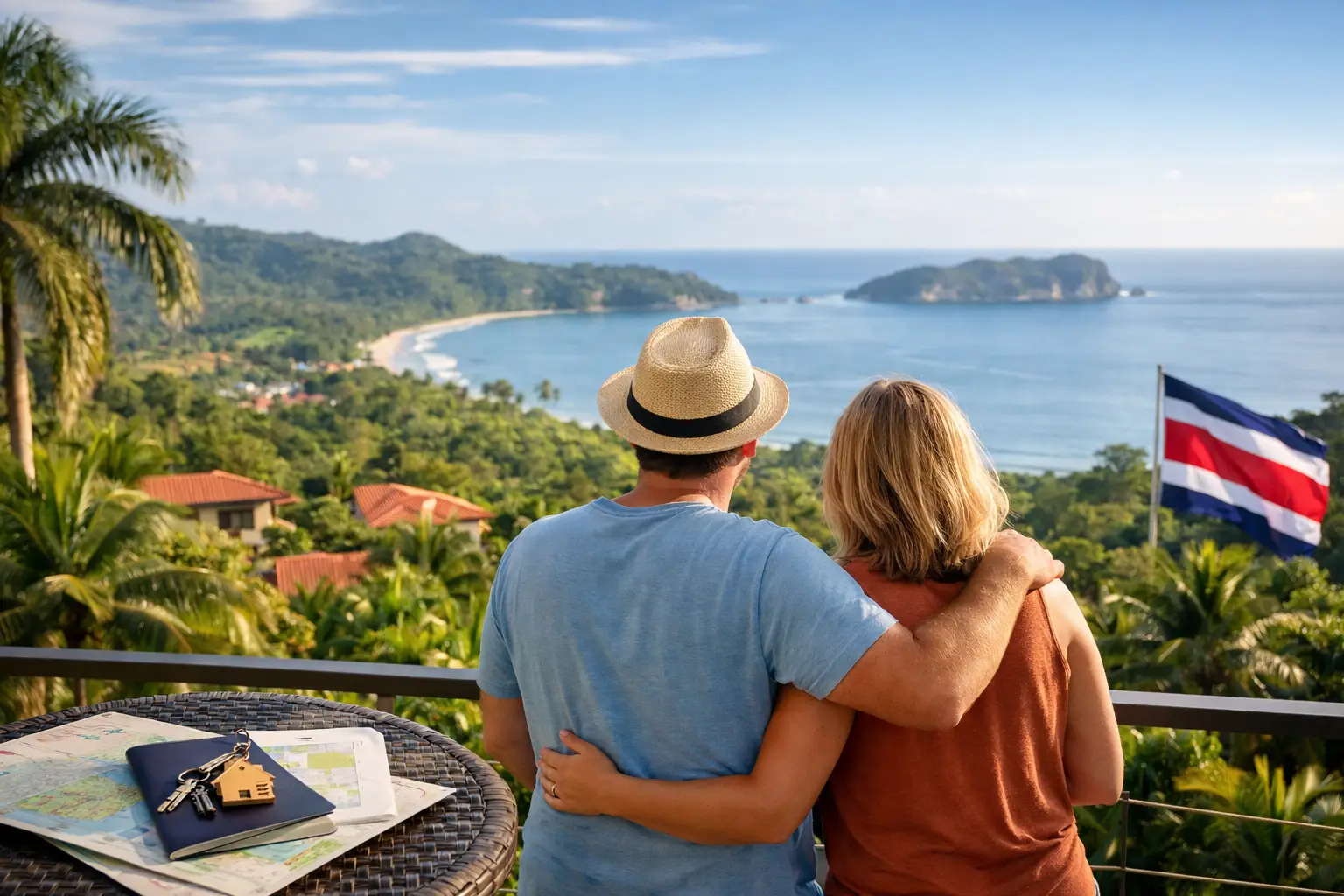
The fantasy usually starts the same way: a sunrise over the Pacific, coffee grown on volcanic soil, toucans in the trees, and a life that feels less rushed than the one you left behind. But how to move to Costa Rica is not really a beach-day question. It is a paperwork, budgeting, neighborhood, and expectations question. The good news is that people do it every year, and they do it for all kinds of reasons – retirement, remote work, family life, entrepreneurship, or simply the desire to live closer to nature.
Costa Rica rewards preparation. It is one of the most welcoming countries in the region for international residents, but it is not a place where you should arrive with vague plans and assume the rest will sort itself out. The smoother moves usually belong to people who treat relocation less like a long vacation and more like starting a new chapter with new rules.
How to move to Costa Rica without romanticizing it
Costa Rica is beautiful, stable, and full of daily joys that can feel remarkable if you are coming from a colder, faster, or more stressful environment. It is also humid, bureaucratic, expensive in ways that surprise newcomers, and highly regional in how life feels from one area to the next.
That matters because your version of paradise may not look like someone else’s. A surfer who wants dirt roads and sunset sessions in Nosara or Santa Teresa is solving for something very different than a retiree who wants walkable services in the Central Valley, or a family looking for schools and a stronger year-round community near Atenas, Escazu, Grecia, or Tamarindo. Before you think about visas, think about the life you actually want on a Tuesday morning.
Do you need reliable fiber internet? International schools? A cool climate? A car? Access to private hospitals? A social circle of other expats, or less of one? Costa Rica can offer all of those, but not always in the same place.
Start with your residency path
One of the first practical decisions is whether you are moving part-time, testing the waters, or pursuing legal residency right away. Some people begin by spending extended periods in the country while exploring neighborhoods and service providers. Others arrive with a clear residency strategy already in motion.
Costa Rica offers several common paths to residency, often tied to retirement income, stable passive income, family connections, or investment. There are also options that may suit business owners and specialized circumstances. The best path depends on your age, your source of income, whether you plan to work locally, and how quickly you want legal status.
This is the point where optimism should meet professional advice. Immigration rules change, document requirements can be exacting, and small errors can delay the process. You will typically need official records, apostilles, translations, and patience. If you are serious about moving, build time into your plan for document gathering before you leave home.
Money first, lifestyle second
Costa Rica can be less expensive than some parts of the United States or Canada, but it is not automatically cheap. Imported goods, cars, private education, and some coastal real estate can cost more than newcomers expect. On the other hand, if your ideal life is simpler, more outdoors-based, and less consumption-heavy, your budget may stretch beautifully.
The smartest move is to create two budgets. One is your transition budget, which should include flights, temporary housing, deposits, legal fees, shipping, vehicle decisions, healthcare setup, and plenty of margin for surprises. The other is your actual living budget, based on where you plan to live and how local or international your habits are.
A family renting in a popular beach town with school tuition and a car payment will spend very differently than a couple renting in the mountains, shopping at local ferias, and keeping entertainment simple. Costa Rica supports both lifestyles. Trouble starts when people plan for one and accidentally live the other.
Choose your region carefully
If you want to know how to move to Costa Rica successfully, this may be the most important section of all: do not choose your home base from social media alone.
The Central Valley appeals to many newcomers because it offers cooler weather, stronger infrastructure, easier access to major services, and some of the country’s best private healthcare. Areas around San Jose, Escazu, Santa Ana, Grecia, and Atenas often attract professionals, retirees, and families who want a balance of nature and convenience.
The Pacific coast offers iconic expat appeal, but each pocket has its own personality. Guanacaste brings dry-season sunshine, resort energy, and strong tourism infrastructure. The Nicoya Peninsula can feel more bohemian, surf-centered, and rugged, depending on the town. The Central Pacific gives you a blend of beach life and accessibility. The Southern Zone is lush, dramatic, and beloved by people looking for beauty with a bit more breathing room.
The Caribbean side has its own rhythm altogether – culturally rich, green, soulful, and less polished in ways some people deeply love. It is not for everyone, which is exactly why some people never want to leave.
Rent before you buy. Stay through both dry and rainy seasons if you can. A road that feels charming in February may feel very different in October.
Housing, healthcare, and the daily basics
Most people moving to Costa Rica do best by renting first. This gives you time to understand commuting patterns, rainy-season realities, water issues, noise levels, and whether your dream area matches your real routine. Long-term rentals exist across the country, but inventory and pricing vary widely by location and season.
Healthcare is often one of Costa Rica’s biggest strengths. The country offers both public and private systems, and many expats appreciate having access to respected doctors, private hospitals, and a generally strong medical reputation. Your experience will depend on your residency status, insurance choices, and where you live. If close access to specialists matters, that may influence your location more than scenery does.
Banking, phone service, and utilities can take longer than newcomers expect. Processes may involve appointments, documentation, and follow-up. That is not a failure of the system so much as a reminder that you are adapting to a different pace and structure. Flexibility helps. So does keeping digital and physical copies of everything.
Working, schooling, and building a real life
Many people arrive with income from abroad, especially retirees and remote workers. If that is your plan, make sure your tax, immigration, and business structures are clear before you go. Costa Rica is a wonderful place to work from, but your right to work locally, invoice locally, or operate a business is a separate legal matter.
For families, schools can shape the entire relocation map. Costa Rica has respected private and international schools in certain regions, but not everywhere. If your children’s education is central to the move, reverse the process: choose the school first, then choose the neighborhood.
Then comes the part relocation guides often skip – building belonging. Costa Rica is friendly, but settling in takes effort. Learn some Spanish, even if you are moving to an area with many English speakers. Shop local. Understand local etiquette. Support the businesses and communities that make your new home what it is. The move feels richer when Costa Rica is not just your backdrop, but part of your relationship to place.
Expect trade-offs, not perfection
Every move to Costa Rica involves a few quiet negotiations. You may get more nature and less convenience. More beauty and more maintenance. More freedom and less predictability. That is not bad news. It is simply the exchange rate of living somewhere real.
The people who thrive here tend to be curious, adaptable, and willing to let go of the idea that every system should work exactly as it did back home. They ask better questions. They prepare well. They stay open to the fact that the best town on paper may not be the place that feels right once the rain starts and daily life begins.
Costa Rica can absolutely be a place to reinvent your pace, your priorities, and your relationship to the natural world. Just give the dream a strong foundation. Visit with purpose, plan with care, and let the country introduce itself town by town, season by season. That is often when the move stops being a fantasy and starts becoming home.
FAQ: Moving to Costa Rica
What is the best way to start planning a move to Costa Rica?
The best way is to visit with purpose, compare regions and create a realistic budget. Treat the trip as research, not just a holiday.
Can foreigners buy property in Costa Rica?
Foreigners can generally buy property in Costa Rica, but legal due diligence is essential. Always work with a qualified lawyer before purchasing.
Is Costa Rica good for retirees?
Costa Rica can be excellent for retirees who want warm weather, nature, healthcare access and an active lifestyle. The best location depends on budget, climate preference and medical needs.
Is Costa Rica good for remote workers?
Costa Rica can be very good for remote workers, especially in areas with reliable internet. Always check actual connection quality before signing a long-term lease.
Should I move to the beach or the mountains?
Choose the beach if you love heat, ocean life and tourism energy. Choose the mountains if you prefer cooler weather, easier access to services and a calmer daily routine.
Do I need to speak Spanish?
You can manage in some expat areas with limited Spanish, but learning the language will make daily life easier, richer and more respectful.
What is the smartest first step?
The smartest first step is to rent in your preferred area before buying. Real life will tell you more than any brochure, video or listing ever can.