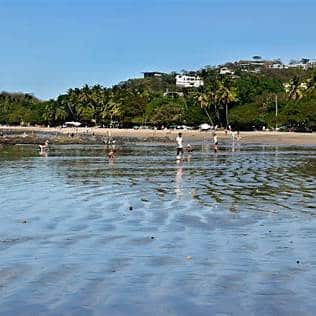
Costa Rica has a way of pulling people in—and keeping them. What starts as a two-week holiday often turns into a life rewrite somewhere between a jungle road, a beachfront café, and a perfectly timed sunset. Over time, patterns emerge. Not stereotypes exactly, but recognisable characters in the ever-evolving expat story.
Here’s a more vivid look at the personalities shaping Costa Rica’s expat landscape—the admirable, the flawed, and the occasionally chaotic.
Who are the most common types of expats in Costa Rica?
Costa Rica attracts a mix of expats who tend to fall into five recognisable lifestyle patterns based on how they adapt, contribute, or clash with local life.
What defines the “Pura Vida” Integrator?
They fully embrace Costa Rican culture and lifestyle.
These are the expats who don’t just move to Costa Rica—they adapt to it. You’ll find them chatting in Spanish at the local soda, knowing their neighbours by name, and understanding that “mañana” isn’t always literal.
Why they stand out:
- Learn Spanish and use it daily
- Support local farmers, artisans, and small businesses
- Participate in community events and traditions
The upside:
They build bridges, not bubbles. Their presence strengthens local communities and preserves cultural respect.
The downside:
They can romanticise Costa Rica to the point of denial—ignoring real frustrations like slow bureaucracy or rising costs.
The awkward side:
Every now and then, they become unofficial referees of “how to be a proper expat,” quietly judging those who don’t integrate as deeply.
Why do retirees choose Costa Rica?
They come for affordability, climate, and a slower pace of life.
Often settling in places like Atenas, Grecia, or the Gold Coast of Guanacaste, these expats trade snow shovels for hammocks and healthcare costs for peace of mind.
What they bring:
- Stable income flowing into the local economy
- Property investment and long-term residency
- Volunteer work in some communities
Where it gets tricky:
- Many stay within English-speaking circles
- Limited interaction with Costa Rican culture beyond surface level
Common friction point:
Occasional frustration when things don’t operate like “back home”—whether it’s banking, infrastructure, or timelines.
What is the digital nomad lifestyle like in Costa Rica?
It’s flexible, fast-moving, and often temporary.
From Santa Teresa to Tamarindo, laptops and coconut water go hand in hand. These expats are here for the lifestyle—but not always for the long haul.
Positive impact:
- Inject money into cafés, co-working spaces, and rentals
- Support eco-friendly and modern businesses
- Bring international skills and perspectives
Challenges:
- Short stays mean limited community involvement
- Relationships—both personal and professional—can be fleeting
Bigger concern:
- Increased demand for short-term rentals can raise housing prices
- Local communities sometimes feel pushed aside in their own towns
How do expat entrepreneurs shape Costa Rica?
They drive business growth but don’t always understand the local system.
From boutique hotels to surf schools and real estate agencies, entrepreneurial expats play a big role in Costa Rica’s economy.
What works well:
- Job creation for locals
- Innovation in tourism, sustainability, and hospitality
- Raising service standards in some sectors
Where problems arise:
- Misunderstanding legal requirements, permits, and taxes
- Underestimating cultural differences in business practices
Worst-case scenarios:
- Cutting corners on labour laws
- Environmental disregard in development projects
- Creating businesses that feel disconnected from local identity
Who are the expats trying to “start over”?
They come seeking a fresh beginning—but not always for the right reasons.
This group is smaller but noticeable. Costa Rica can feel like a reset button, and for some, that’s exactly what they’re chasing.
When it works:
- Reinvention leads to healthier, more grounded lifestyles
- Some become productive, positive members of their communities
When it doesn’t:
- Financial instability or visa issues create ongoing stress
- Difficulty adapting leads to isolation
The darker side:
- Avoiding legal or financial responsibilities from abroad
- Engaging in questionable activities that damage the broader expat reputation
What’s the reality of expat life in Costa Rica?
There’s no single “right” way to live here, but adaptation and respect matter more than intention.
Costa Rica rewards those who are willing to adjust—not just relocate. The people who thrive aren’t necessarily the wealthiest or the most adventurous, but those who understand that living here is a relationship, not a transaction.
FAQ About Expats in Costa Rica
Is it easy for expats to integrate into Costa Rican culture?
It can be, especially if you learn Spanish and engage with local communities consistently.
Do expats drive up the cost of living in Costa Rica?
In popular areas, yes—particularly with real estate and rentals influenced by foreign demand.
Is Costa Rica still affordable for retirees?
It can be, but costs have risen significantly in recent years, especially in coastal regions.
Do digital nomads need a visa to work remotely in Costa Rica?
Yes, Costa Rica offers a specific digital nomad visa, though many still enter on tourist visas. Are expat communities welcoming?
Most are, but they can vary widely—some are inclusive, others more insular.


Former Navy Journalist, published author and international speaker. Howler executive since 2019.