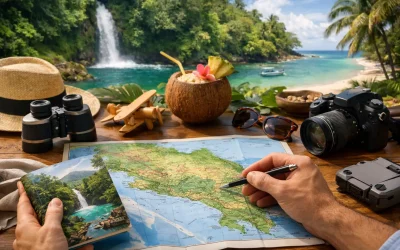


You can feel the difference almost immediately. One road bends toward a surf town with strong rental demand, another climbs into cool mountain air where retirees stay for the climate and quiet, and a third opens to farmland, jungle, or a marina village with a very different pace of life. For many international buyers, the decision to buy property in Costa Rica starts with a feeling. The smart part is turning that feeling into a well-researched purchase.
Costa Rica has long drawn people who want more than a vacation address. Some are looking for a second home they can enjoy part of the year. Others want a full relocation, a boutique hospitality project, or a land play in an area they believe will grow. The appeal is easy to understand – political stability, extraordinary biodiversity, a strong tourism identity, and a lifestyle that puts nature close to everyday life. But buying here is not a copy-and-paste version of buying back home. The country rewards buyers who slow down, ask good questions, and understand the local rules.
Why do people buy property in Costa Rica?
People come for different reasons, and that matters because it shapes what kind of property actually makes sense. A retiree who wants walkability, health care access, and spring-like weather is not solving the same problem as an investor chasing peak-season vacation income near the beach. A family relocating with children may care more about schools, internet reliability, and year-round community than sunset views.
Costa Rica also is not one market. It is a collection of micro-markets with distinct personalities. Guanacaste offers dry tropical weather, established resort zones, and broad international recognition. The Central Valley appeals to buyers who want urban convenience, cooler temperatures, and easier access to services. The Southern Zone attracts those drawn to lush landscapes, lower-density development, and a more off-the-radar feel. The Caribbean has its own rhythm entirely, with strong cultural identity and rising interest in certain pockets.
That variety is part of the magic, but it is also where buyers can go wrong. A beautiful property in the wrong location for your goals can become an expensive compromise.
Can foreigners buy property in Costa Rica?
Yes. In most cases, foreigners have the same ownership rights as Costa Rican citizens when buying titled property. That is one reason the market has remained attractive to overseas buyers for decades.
The main exception involves concession property in the Maritime Zone, the regulated strip along much of the coastline. In these areas, ownership works differently from standard titled property, and there are added restrictions, including limitations that can affect foreign buyers. This is not automatically a deal breaker, but it is an area where legal review matters even more than usual.
If a listing is near the beach, do not assume it is titled just because it is marketed beautifully. Confirm what is actually being sold, under what legal structure, and with what rights.
How to buy property in Costa Rica without costly surprises
The most successful buyers tend to do two things well. They spend time in the area before purchasing, and they build a qualified local team before transferring money.
Start with the lifestyle question before the investment question. Visit in both high season and rainy season if you can. Beach towns that feel lively in February can feel much quieter in October. Mountain roads that seem manageable in daylight may look different in heavy rain. Internet, water availability, road access, and distance to groceries, schools, or medical care all matter more when the honeymoon phase passes.
Then assemble the right professionals. A reputable real estate agent with local knowledge can help you read a market beyond the listing photos. An independent attorney is essential for due diligence, title review, corporate structuring if needed, and contract guidance. Depending on the property, you may also need a surveyor, engineer, architect, or environmental consultant.
This is not the place to cut corners by relying only on verbal assurances. Costa Rica is welcoming, but a warm handshake is not a substitute for documentation.
The legal process when you buy property in Costa Rica
Once you find a property you want, the transaction usually begins with an offer and a purchase agreement. Terms vary, but the agreement should clearly state the price, deposit, due diligence period, closing timeline, included assets, and what happens if either side fails to perform.
Your attorney will typically verify title in the National Registry, confirm property boundaries and any registered liens, review zoning and land use, and check whether taxes, homeowners association fees, or utility bills are current. If the property is held in a corporation, the attorney should also review that entity carefully. In some transactions, buyers purchase the corporation that owns the property rather than transferring the property itself. That can be efficient, but it can also mean inheriting hidden liabilities if the review is not thorough.
For raw land, due diligence should go deeper. Ask about water availability, building permits, access rights, topography, flood risk, and whether the parcel sits within protected or restricted areas. A large lot with a dramatic ocean view may look like a dream until you learn the buildable footprint is limited or utility access is costly.
Closing is usually handled by an attorney or notary with authority to formalize and register the transfer. Funds are commonly placed in escrow, which gives both parties more security. Once the deed is executed and registered, ownership is officially transferred.
What does it cost beyond the purchase price?
This is where buyers need a realistic budget. The sale price is only part of the picture.
Closing costs often include transfer taxes, registration fees, legal fees, escrow fees, and possibly corporate setup or maintenance costs if you choose to hold the property in a Costa Rican corporation. After closing, you may have annual property taxes, luxury home tax if the value exceeds the threshold, HOA dues, insurance, maintenance, and property management expenses.
If you are buying a vacation rental, budget for vacancy swings, marketing, housekeeping, repairs, and the wear that comes with tropical conditions. Salt air, intense sun, humidity, and rainy season exposure are beautiful facts of life here, but they are not gentle on buildings. A house near the beach can require more maintenance than a comparable inland property.
Financing is another variable. Some foreign buyers pay cash because local financing can be more limited or less favorable than in the US. Seller financing exists in some cases, but terms vary widely.
Choosing the right region
There is no single best place to buy, only a best fit.
Guanacaste remains a strong draw for buyers who want established tourism demand, beach access, and relatively easy international connectivity. It can also come with higher pricing in well-known coastal pockets. The Central Valley often suits full-time living, with strong services, cultural amenities, and a more everyday residential feel. Areas such as Escazu, Santa Ana, Grecia, Atenas, and parts of Heredia and Alajuela attract buyers who want practicality with scenery.
The Southern Zone appeals to people willing to trade convenience for immersion. Places like Uvita, Dominical, Ojochal, and the hills above them have a loyal following because the setting feels dramatic and less overbuilt. On the Caribbean side, buyers often respond to a different kind of beauty and community energy, but they need to understand local infrastructure and market conditions with clear eyes.
What matters most is matching the region to your actual life. If you will be here three months a year, property management and airport access may matter more than remoteness. If this is your full-time move, community depth and daily logistics rise quickly to the top.
Common mistakes buyers make
The first mistake is shopping from a fantasy instead of a plan. It is easy to fall for a view, a pool, or a patch of jungle and ignore whether the property truly fits your use case.
The second is assuming every market story is universal. A home that performs well as a short-term rental in one beach town may struggle in another because of seasonality, competition, or access. Costa Rica rewards local knowledge.
The third is underestimating due diligence. Buyers sometimes rush because they fear losing a property, especially in popular areas. That urgency can lead to problems with title, concessions, water letters, boundary questions, or construction that was never properly permitted.
The fourth is failing to understand carrying costs. Tropical ownership has its own math. Pools, gardens, drainage, security, and routine maintenance are not side notes.
A market worth entering carefully
Costa Rica continues to attract buyers because it offers something many markets cannot – real lifestyle value alongside real asset potential. You are not only buying square footage. You are buying proximity to rainforest trails, morning surf, mountain breezes, farmers’ markets, wildlife sightings, and a culture that tends to place quality of life in full view.
That does not mean every purchase is a good one. The right approach is equal parts inspiration and discipline. Spend time on the ground. Learn the region. Hire the right attorney. Ask harder questions than the brochure invites. And if you are still in the early stages, resources like Howler can help you understand the country with more context than a listing ever will.
The best Costa Rica property decisions usually begin the same way life here does – with attention to place, patience, and respect for what makes each corner of the country different.
FAQ’s
Is it safe for foreigners to buy property in Costa Rica?
Yes, but only with proper legal review, title verification, and local due diligence.
Can foreigners own beachfront property in Costa Rica?
Some beachfront property falls within the Maritime Zone, where ownership works differently and additional restrictions may apply.
Do I need a lawyer to buy property in Costa Rica?
Yes. An independent attorney is essential for reviewing title, contracts, zoning, fees, and closing documents.
Is buying land in Costa Rica different from buying a house?
Yes. Raw land needs deeper due diligence, including water access, permits, topography, flood risk, and legal access.
What are the hidden costs of buying property in Costa Rica?
Closing costs, taxes, legal fees, escrow fees, corporate costs, maintenance, insurance, HOA fees, and tropical wear can all add to the budget.
What is the best area to buy property in Costa Rica?
That depends on your goals. Guanacaste, the Central Valley, the Southern Zone, and the Caribbean each suit different lifestyles and investment strategies.