

A forecast can look perfect on your phone and still leave you in the wrong town. That is the first thing to understand about where to surf in Costa Rica. This country packs two coastlines, dozens of distinct breaks, and dramatic shifts in tide, wind, crowd, and swell direction into a relatively compact map. Choosing well is less about finding one “best” beach and more about matching your level, travel style, and the season to the right stretch of coast.
Costa Rica earns its surf reputation honestly. Warm water, consistent swell, and a culture shaped by ocean time make it one of the easiest places in the world to build a trip around waves. But it is not one-size-fits-all. A longboard beginner on a family vacation should not be sent to the same lineup as an experienced shortboarder hunting hollow dawn sessions.
Where to surf in Costa Rica depends on your level
If you are new to surfing, the country can be wonderfully forgiving, but only in the right places. Playa Tamarindo remains one of the most approachable starting points because it offers sandy sections, abundant instructors, board rentals, and the convenience of a full-service beach town. It is not the quietest surf destination anymore, and seasoned surfers may find it crowded and uneven, but for first-timers who want easy logistics, it still works.
Farther south on the Pacific, Dominicalito and parts of Manuel Antonio can also suit beginners when conditions are small. The key phrase is “when conditions are small.” The central and southern Pacific can jump quickly in size, especially during the rainy season, so local advice matters.
If you are an intermediate surfer, your choices widen considerably. Playa Grande, Avellanas, Santa Teresa, and Playa Hermosa near Jacó all offer room to progress, but each comes with a different rhythm. Playa Grande can deliver punchier beach-break waves than Tamarindo, with more consequence on solid swells. Avellanas has variety, which is exactly what many intermediates need. Santa Teresa offers consistency and a lively surf-centered atmosphere, though popularity has changed the feel of the place.
Advanced surfers have the broadest menu and the highest stakes. Costa Rica can produce fast barrels, powerful river-mouth peaks, and reef setups that punish hesitation. Playa Hermosa, Salsa Brava in Puerto Viejo, Pavones when it is working, and certain peaks around the Nicoya and Osa regions can be extraordinary. They can also be unforgiving. This is a country that rewards respect.
The Pacific coast: variety, access, and the biggest surf scene
Most visiting surfers head to the Pacific side first, and for good reason. The coast is long, road access is generally simpler, and the range of breaks is remarkable.
North Pacific and Guanacaste
Guanacaste is often the easiest answer to where to surf in Costa Rica if you want convenience. Liberia’s airport shortens transfer times, the dry season brings plenty of sunshine, and the surf towns are well established. Tamarindo is the obvious gateway, but it should be seen as a base rather than the whole story.
Playa Grande, just across the estuary, has more power and often a more surf-focused feel. Playa Avellanas spreads out the options with several peaks and enough coastline to absorb different tastes. Witch’s Rock and Ollie’s Point hold legendary status, but they require boat access and favorable conditions, so they are not casual add-ons for every traveler.
The trade-off in Guanacaste is popularity. Infrastructure, dining, and comfort are strong, but that ease attracts crowds. If you want a polished surf trip with good restaurants and mixed ability options, this coast delivers. If your dream is empty lineups, you may need to work harder.
Central Pacific
The central Pacific is where many surfers find a useful middle ground between access and wave quality. Jacó itself is more known as a busy beach town than as a dream wave, but nearby Playa Hermosa is a serious surf destination. It is powerful, consistent, and often best for experienced surfers. The beach can look inviting from shore and still be far more demanding than expected.
This region also works well for travelers combining surfing with national parks, sportfishing, or family activities. That matters more than many people admit. A great surf trip is not only about the best wave on paper. It is also about whether everyone in your group can enjoy the day.
South Pacific
The south Pacific feels wilder, greener, and in many places less built out. Dominical is the headline name, and it deserves it. The wave is consistent and energetic, the town keeps a beach-surf identity, and the surrounding landscape is classic Costa Rica – jungle-covered hills meeting open ocean.
Dominical is not ideal for a nervous beginner. The beach break can be fast and heavy, and currents are real. Yet for confident intermediates and advanced surfers, it is one of the country’s enduring favorites.
Then there is Pavones, the wave that lives in surf mythology. On the right swell, it offers one of the longest lefts in the world. On the wrong swell, it is simply not that wave. This is a perfect example of why planning by legend alone can disappoint. Remote destinations magnify the risk of bad timing, but when they line up, they can feel unforgettable.
The Caribbean coast: shorter season, serious reward
Costa Rica’s Caribbean side is a different chapter altogether. It is greener, culturally distinct, and far more seasonal for surfing than the Pacific. When the Caribbean turns on, though, it can be exceptional.
Puerto Viejo is the center of the conversation, especially because of Salsa Brava. This is not a wave to romanticize casually. It is a heavy reef break with real consequences, best left to expert surfers who understand the lineup and local conditions. Its reputation is earned.
The broader Puerto Viejo area, however, is not only for chargers. There are mellower options nearby, especially when swell is manageable, and the region’s Afro-Caribbean culture, food, and atmosphere give surf travel here a very different texture from the Pacific towns. If you are choosing between coasts, this may be the deciding factor as much as the waves themselves.
The trade-off is timing. The Caribbean does not offer the same year-round consistency visitors expect from the Pacific. You go there with more intention, and ideally with a close eye on the forecast.
Season matters more than the brochure
Costa Rica is often described as a year-round surf destination, and broadly that is true. But “year-round” can be misleading if you are trying to choose a specific region.
The Pacific tends to see its strongest, most consistent swell from May through November, during the green season. This is when advanced surfers often score their best trips, especially in the central and south Pacific. It also means bigger surf, more weather variability, and at times more challenging conditions for beginners.
From December through April, Guanacaste becomes especially attractive. The dry season brings cleaner conditions and smaller, friendlier waves more often, although good surf absolutely still exists for stronger riders. If your trip includes first lessons, family travel, or a preference for sunshine and smoother logistics, this window has obvious appeal.
The Caribbean often peaks when the Pacific is calmer, roughly from late fall into early spring. That complement is part of Costa Rica’s magic. Somewhere in the country, there is often a wave worth chasing.
How to choose the right surf town
Ask a more useful question than where to surf in Costa Rica. Ask what kind of surf trip you actually want.
Do you want a town with cafés, coworking spaces, boutique hotels, and easy lessons? Tamarindo or Santa Teresa may fit. Do you want a more raw, wave-first atmosphere? Dominical might feel better. Are you an expert traveling specifically for a marquee break and willing to accept the gamble of conditions? Then Puerto Viejo or Pavones could make sense.
Also think beyond the water. Some travelers want walkability and nightlife. Others want a rental house near an uncrowded beach and early bedtimes. Some want to pair surf with real estate scouting, wellness retreats, wildlife tours, or a potential relocation look-around. That broader context is where a country-specific publication like Howler continues to matter – the best destination is not just the one with the best wave, but the one that fits the life you want while you are here.
A few realities worth respecting
Costa Rica’s surf wealth has helped shape local economies, but popularity has pressures. Coastal development, water use, waste management, crowding, and habitat protection are not abstract issues. They are part of daily life in beach communities. Visitors who love the country’s coastline should travel in a way that helps preserve it.
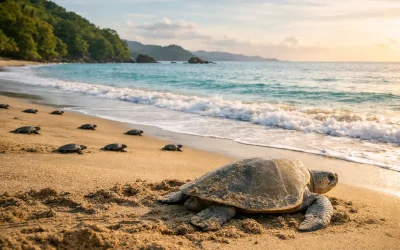
That means supporting businesses that operate responsibly, respecting local etiquette in the lineup, avoiding sensitive nesting and dune areas, and understanding that surf towns are not just backdrops for vacation content. They are communities.
If you are still narrowing it down, start simple. Beginners should look first at Tamarindo and other mellow Guanacaste options. Intermediates should consider Avellanas, Santa Teresa, and parts of Dominical on manageable swells. Advanced surfers can build trips around Playa Hermosa, Pavones, and Puerto Viejo when conditions line up.
The right answer is rarely the flashiest one. In Costa Rica, the best session often comes from picking the beach that suits you, waking early, listening to local knowledge, and letting the coastline reveal itself one tide at a time.