

Coastal Costa Rica does seafood brilliantly—if you order with a bit of strategy. The “tourist trap” version is usually the same three things everywhere (overpriced mahi-mahi, rubbery calamari, and a ceviche that tastes like it was assembled in an airport lounge). The good version? It’s in family-run sodas, tiny marisquerías, and beach towns where the kitchen buys what landed that morning and sells out before sunset.
Here’s how to find the good stuff, what to order, and how to sound confident while doing it.
How to spot a tourist-trap seafood menu in 30 seconds
A few signs you’re about to pay extra for mediocrity:
- The menu is massive (40+ items, every cuisine, every fish, every cooking style). Fresh seafood spots keep it tight because they cook what they can source well.
- Everything is “catch of the day” but no one can name the fish in Spanish.
- Photos of every dish + laminated pages + aggressive “seafood platter for two” upsells.
- No daily special and no fish options that rotate.
What you want instead:
- A simple board or verbal special like: “Hoy hay corvina a la plancha” (today there’s corvina).
- Locals eating there.
- A kitchen that answers questions fast, without acting offended.
Ceviche, Costa Rica-style (and the versions worth ordering)
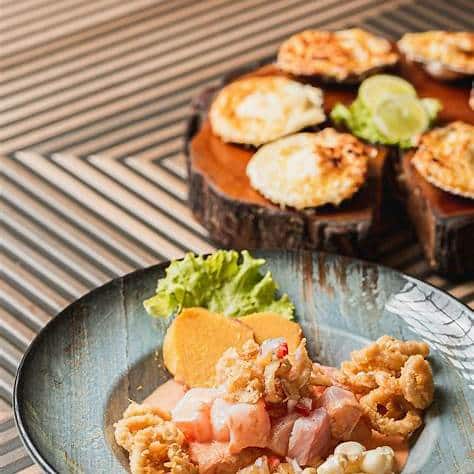
Costa Rican ceviche is typically bright, citrusy, and snackable, often served with galletas (soda crackers) or tortilla chips. The best versions taste clean and crisp—never “fishy”.
The core styles you’ll actually see
- Ceviche de pescado: usually corvina (sea bass) or dorado/mahi-mahi. Clean, firm, classic.
- Ceviche de camarón: shrimp ceviche; often slightly sweeter and juicier.
- Ceviche mixto: fish + shrimp (sometimes octopus). Great when you trust the place.
- Ceviche de pulpo: octopus—should be tender, not chewy.
- Ceviche with mango or avocado: more modern, very common in beach towns.
How to order ceviche confidently
Try:
- “¿Es del día?” (Is it from today?)
- “¿Qué pescado usan para el ceviche?” (What fish do you use for the ceviche?)
- “¿Lo preparan al momento o ya está listo?” (Do you make it to order or is it already made?)
If they say it’s made fresh to order and it arrives in five minutes, that can be a good sign (busy place) or a bad one (pre-mixed). Use your eyes: it should look cold, not warm, not watery, not dull.
Smart safety note (without getting weird about it)
Ceviche is “cooked” by acid, but acid doesn’t reliably eliminate all risks the way proper cooking or parasite-destruction freezing does. If you’re pregnant, immunocompromised, or just not in the mood to gamble, go for grilled fish, whole fried fish, or seafood rice instead. (CDC)
Whole fried fish: the coastal flex that usually beats fillets
If you want one order that screams “I know what I’m doing,” it’s this:
Ask for:
- “Pescado entero frito” (whole fried fish)
- Often pargo (red snapper), corvina, mojarra, or whatever’s local that day.
Why it’s a great move
- Whole fish is harder to fake. You can judge freshness by texture and smell.
- It’s usually cooked simply—salt, citrus, hot oil—so the fish has to be good.
What it comes with (and how locals eat it)
Usually: salad + patacones (fried plantain) or rice + beans.
- Add: “con patacones” if you want maximum happiness.
- Want it lighter? “a la plancha” (grilled) instead of fried.
Rice-and-seafood classics that sodas get right
When you want comfort food that still feels coastal:
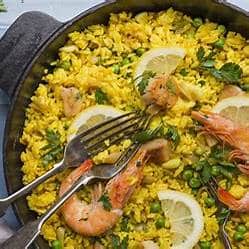
- Arroz con mariscos: mixed seafood rice (shrimp, squid, sometimes mussels). The best versions are savoury, not greasy.
- Arroz con camarones: shrimp rice—often the safest “always good” option.
- Casado con pescado: the local plate—fish + rice + beans + salad + veg. It’s humble, filling, and usually excellent value.
- Sopa de mariscos / sopa de pescado: seafood or fish soup—great on rainy days or after a surf.
Pro tip: If the place is slammed at lunch, order what the kitchen can crank out well: casado con pescado or arroz con camarones.
How to order in a coastal soda (easy Spanish that works)
You don’t need perfect Spanish—just use the right questions.
The 6 phrases that unlock better seafood
- “¿Qué está más fresco hoy?” — What’s freshest today?
- “¿Qué pescado es local?” — Which fish is local?
- “¿Es de línea o de red?” — Is it line-caught or net-caught?
- “¿Lo recomienda frito o a la plancha?” — Better fried or grilled?
- “¿Me lo puede hacer sin mucho aceite?” — Can you make it with not much oil?
- “¿Qué trae de acompañamiento?” — What sides does it come with?
Even if they answer in rapid-fire Spanish, you’ll get the vibe: confident kitchen vs. tourist autopilot.
Freshness: what to look for (and what to avoid)
If you’re picking a place or judging a dish:
Good signs
- The fish smells like the sea, not “fishy”.
- Ceviche looks cold, bright, and crisp (not watery).
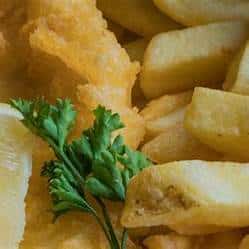
- Fried fish has crackly skin and flaky meat, not soggy batter.
- The place sells out of fish options by late afternoon.
Red flags
- Strong fish odour in the dining area.
- Seafood served lukewarm.
- “Today’s special” that’s identical every day.
- Octopus or calamari that’s rubbery (overcooked or old).
Seasonality and “vedas” (closed seasons): the local sustainability cheat code
Costa Rica uses “vedas”—official closed seasons and protected periods—to help fish and shellfish reproduce and recover. (incopesca.go.cr)
One example you’ll hear about on the Caribbean side is the spiny lobster closed period that, in some management plans, runs from 1 March to 30 June. (incopesca.go.cr)
Rules can vary by region and get updated, so the practical move is: ask what’s in season and be suspicious of “cheap lobster” during closed periods.
Also, Costa Rica has regulations around legal minimum capture sizes (tallas legales) meant to discourage selling and eating undersized catch. (pgrweb.go.cr)
Sustainable choices that still taste amazing
You don’t have to turn dinner into a lecture. Just aim for “best impact, best flavour”:
Better bets (when available)
- Local, common species recommended by the house that day.
- Line-caught fish (if they know and can say so).
- Smaller, fast-growing fish over big trophy species.
Be cautious with
- Lobster out of season (ask; if the answer is vague, skip it). (incopesca.go.cr)
- Shark (often sold under different names—if you care, ask directly what species it is).
- “Seafood mix” in very quiet places (mixed seafood is where “not-so-fresh” bits sometimes hide).
Price sanity check (so you don’t get rinsed)
Tourist pricing isn’t always a scam—sometimes it’s just beachfront rent. But as a rough guide:
- Casado con pescado should usually be one of the best values on the menu.
- Whole fried fish costs more, but it should feel like a meal, not a garnish.
- If ceviche is priced like a steak, it better be a generous portion and obviously fresh.

Howler Staff are John, Terry and whomever else we can get to write great articles.