

By Terry Carlile
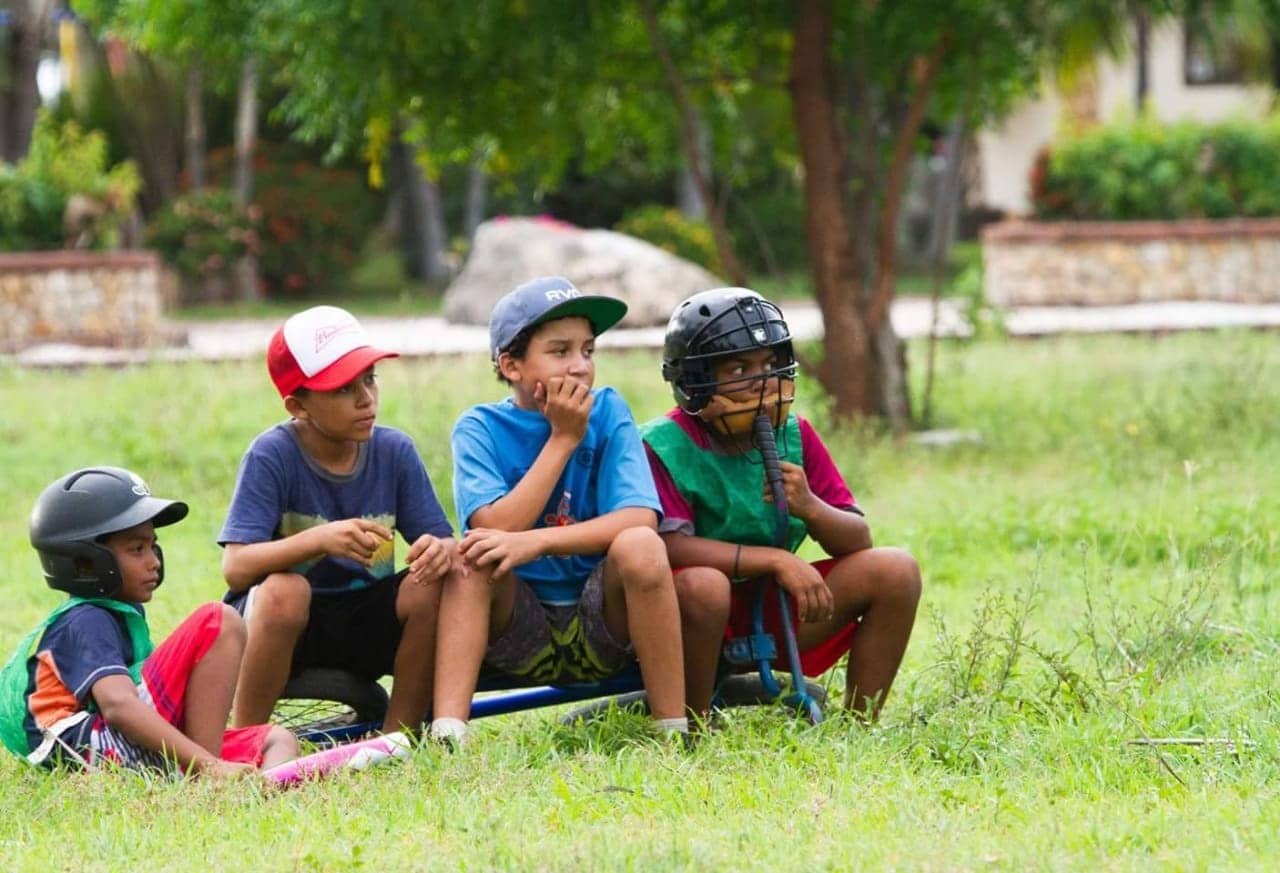
Sometimes lost in the midst of the beauty of Costa Rica… overlooked by some due to denial… and brushed over because they do not fit our “paradise” narrative… the children of Costa Rica.
The condition of the child population in Costa Rica reveals a mix of progress and ongoing challenges, with notable concerns around poverty, health, education, and family composition.
Poverty Levels
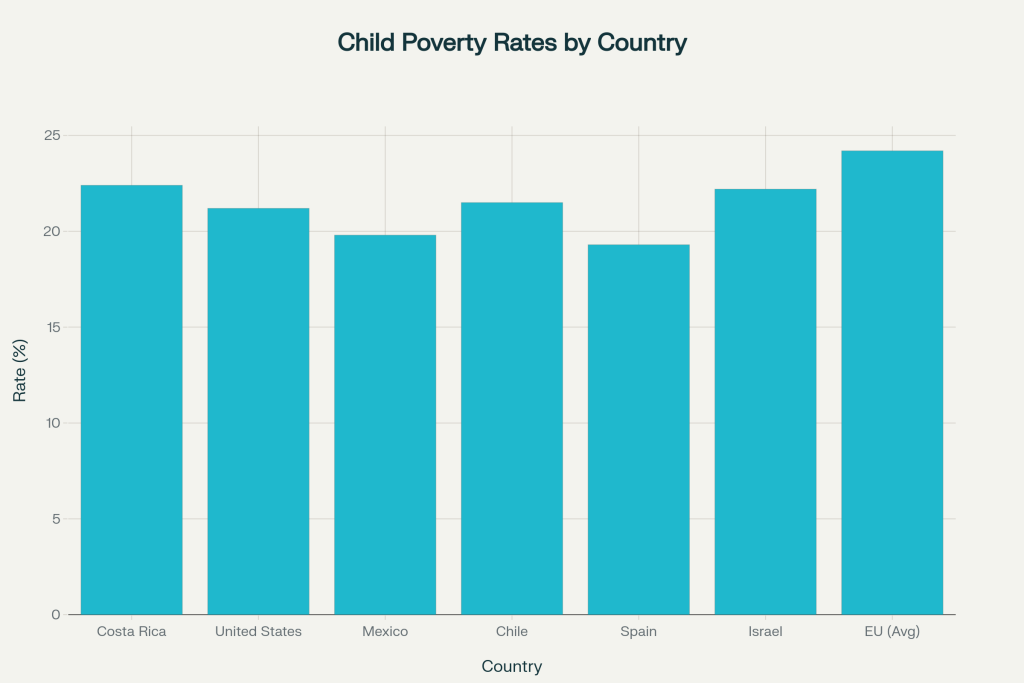
Costa Rica is experiencing a concerning rise in child poverty. Recent data from the National Institute of Statistics shows that 22.4% of children live in poverty, with 11.6% falling below the extreme poverty line. These numbers are especially acute in the Caribbean region, where extreme poverty among children reaches 20.8%. Many children face poor-quality housing and insufficient services, perpetuating cycles of deprivation and limiting future opportunities.
Main Health Issues
Childhood health in Costa Rica is increasingly challenged by both old and new threats:
- Obesity rates among children and adolescents (ages 5–19) now stand at 31.5%, with 12.3% classified as obese — driven by poor diet and aggressive marketing of unhealthy foods. Type 2 diabetes, high triglycerides (29%), and high cholesterol (15%) are also rising.
- Infant mortality rose to 10.3 deaths per 1,000 live births in 2024, the highest in two decades. Roughly 75% of infant deaths occur in the first 28 days, with extreme prematurity as the leading cause.
Education Levels
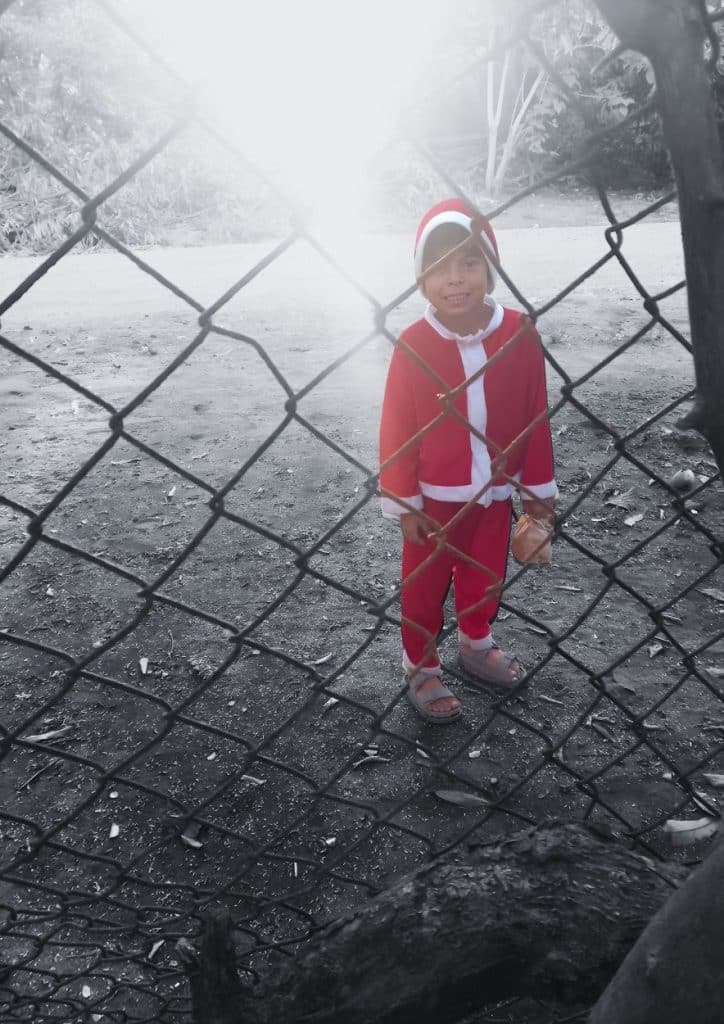
Educational achievement has stagnated, losing a decade of progress due to the pandemic and ineffective policies. Reading, math, and science scores have declined consistently since 2015, especially among rural children, indigenous groups, and low-income families. Many students are promoted without mastering essential skills. Only about half of students continue beyond the compulsory phase of secondary education.
Family and Household Composition
- Households led by single parents — especially women — or those without social insurance are far more prone to poverty. About one in three children lives in a poor household.
- Young children often remain at home with family, including grandparents, before mandatory schooling begins at age five.
- Recent figures on children living with both parents or grandparents are limited, but vulnerability tied to single-parent households is consistently noted.

Other Social Issues
- Approximately 84,490 children and adolescents were victims of violence in 2021.
- Nearly half (46%) of children aged 2 to 14 have been disciplined using physical or psychological punishment despite legal bans.
Costa Rica’s children face significant hurdles but remain resilient, with experts calling for coordinated efforts to improve health, education, and protective environments.
The Darkest Shadow
Child sex trafficking remains a serious issue in Costa Rica, with recent law enforcement operations showing both the scale of the problem and the government’s efforts to stop it.
Prevalence and Recent Cases
- In October 2025, authorities dismantled a major trafficking ring exploiting minors, arresting 19 suspects and identifying at least 10 victims.
- The network recruited teenagers through social media, often targeting economically vulnerable youth. Victims were paid as little as ₡600,000 per encounter.
- Children in Costa Rica face the worst forms of child labor, including commercial sexual exploitation. Source
Legal Framework and Government Response
- Sex trafficking is criminalized in Costa Rica, with sentences of six to ten years — higher when minors are involved.
- Specialized police and prosecution units investigate trafficking cases.
- In 2025, the government strengthened its efforts through a joint UN program improving coordination and training.
- The 9-1-1 system now includes a dedicated code for trafficking reports.
Challenges and Ongoing Concerns
- Labor inspector numbers remain insufficient for enforcement demand.
- Most victims are Costa Rican children exploited inside the country.
- Prevention and victim support programs require sustained investment.
Child sex trafficking in Costa Rica remains a complex and ongoing issue, but improved legal structures and recent operations show growing commitment to protecting children.
How Expats Can Be Assets in Children’s Lives
Expats in Costa Rica can play a meaningful role by volunteering, mentoring, and supporting children’s programs in their communities.
Ways Expats Can Assist
- Volunteer at childcare centers and orphanages — helping with feeding, tutoring, arts, sports, and emotional support.
- Support local schools by assisting in English classes, sports, music, or art programs.
- Join or support advocacy organizations to raise funds and improve resources for families.
- Offer specialized skills (health, counseling, workshops) when coordinated with approved local organizations.
Considerations for Involvement
- Intermediate Spanish is strongly recommended.
- Respect local culture and collaborate with Costa Ricans.
- Follow all legal requirements for working with minors; some roles require background checks.
Getting Started
- Volunteer programs such as United Planet, Plan My Gap Year, or A Broader View operate year-round.
- Local Facebook groups and town expat communities often share reliable involvement opportunities.
Through involvement in these areas, expats can make a substantial difference in the lives of Costa Rican children while building meaningful community relationships.

Former Navy Journalist, published author and international speaker. Howler executive since 2019.