
By Captain Paul Watson
One of the most striking things about attending the Earth Shot 2025 Awards in Rio de Janeiro last week was the menu.
Never before have I been at such a prestigious international event where every meal was 100% vegan. The Prince and Princess of Wales—the primary sponsors of the Earth Shot Awards—insisted on a plant-based menu. It wasn’t without controversy.
Brazilian chef Saulo Jennings had initially been invited to cater the three-day event at Rio’s Museum of Tomorrow for 700 international guests. He was displeased to learn that the organizers required a vegan menu; he had set his heart on serving pirarucu, a large freshwater fish from the Amazon.
When I first heard that pirarucu might be served at a major environmental awards ceremony, I was concerned. We have fought for decades to remove meat and fish from these events. It’s been a long, frustrating effort to expose the hypocrisy of decrying climate change, biodiversity loss, deforestation, and overfishing while celebrating with dishes from the very industries that drive those harms.
When I served as a national director of the Sierra Club (2003–2006), the four vegans on the fifteen-member board were ridiculed for saying that eating meat and fish contradicted John Muir’s vision. Why wouldn’t we honor the Sierra Club’s founder by respecting his values? I began jokingly calling it the “Siesta Conversation and Gourmet Club,” because some directors seemed most excited about the regional menus—buffalo and antelope in Montana, lobster in Boston, blue crab in Charleston.
During the making of the film Cowspiracy, the Sierra Club argued that meat eating wasn’t incompatible with environmentalism; their concern was that promoting vegetarianism might alienate members who ate meat and fish.
Over the years I’ve attended many ocean-conservation and overfishing events where the dinners featured fish—farm-raised salmon, Chilean sea bass, even bluefin tuna. At one event where Dr. Sylvia Earle was the keynote speaker, the celebrity organizer joked that the dinner choice was “chicken or fish,” adding, “what’s the point of saving them if we can’t eat them—so we chose fish.” Sylvia was not amused and told him so.
The day before Earth Shot in Rio, I spoke alongside Sylvia at a conservation dinner. After our talks, thick steaks were served to most guests; the waiters brought us each a plate of rice—the lone vegan option.
The next day I attended the United for Wildlife Global Summit 2025. Given my history with INTERPOL, I was surprised to be invited by Brazil’s Ministry of Foreign Affairs, INTERPOL, UNODC, and the Brazilian Federal Police. I was warmly received—and the entire event was 100% vegetarian, which was unexpected considering the organizers and my past with law-enforcement agencies.
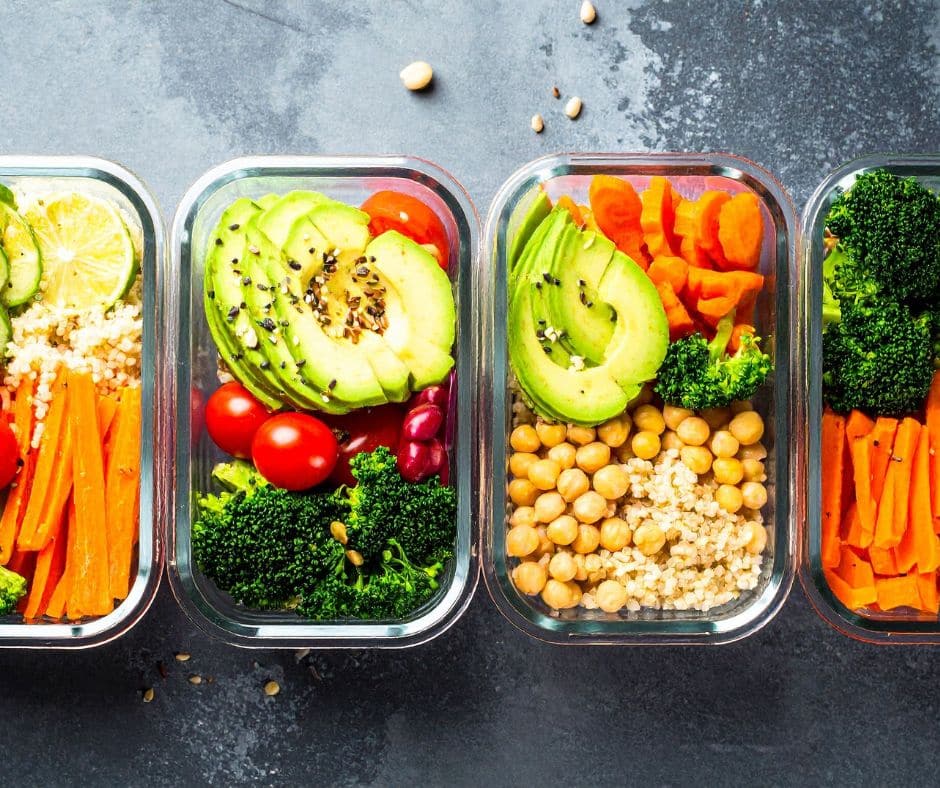
Then came the Earth Shot Awards, where we enjoyed an outstanding 100% vegan buffet.
Jennings soured the moment with attention-seeking, self-serving complaints to Brazilian media that a fully vegan menu was “an insult to Brazilian culture.” He told the New York Times, “It’s like asking Iron Maiden to play jazz. It was a lack of respect—for local cuisine, for our culinary tradition.” He even accused the organizers of racism for declining to let him sacrifice hundreds of pirarucu—fish that better serve the Amazon’s ecological integrity alive than as corpses on plates at a wildlife-conservation dinner.
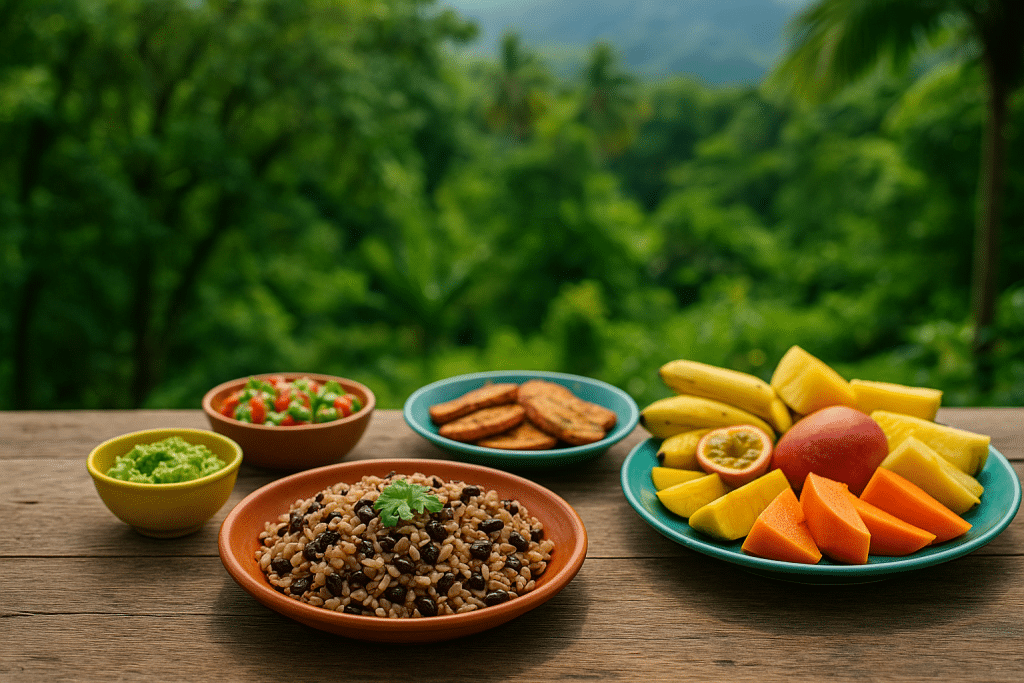
That charge rang hollow. Just two weeks earlier, I was a guest of Chief Raoni of the Kayapo in his village in Mato Grosso, where every meal we shared was vegan. It’s hard to imagine anything more authentically Brazilian than the indigenous meals my Kayapo hosts served on the banks of the Xingu River.
For Prince William and the Earth Shot organizers, the event had to reflect broader ecological concerns. The meat industry is a leading driver of Amazon deforestation, a major source of greenhouse-gas emissions, a contributor to groundwater pollution, and a cause of biodiversity loss. In the Amazon, cattle ranching remains the leading cause of habitat destruction. Earth Shot needed to send a clear message: plant-based meals align with its global mission to protect biodiversity and advance climate solutions.
Chef Jennings will still have an audience for his pirarucu; he has been hired to cater COP30 for the Norwegian and Chinese delegations. Considering both nations’ outsized roles in marine exploitation, that is unsurprising.
Losing Saulo Jennings as the official chef of Earthshot 2025 created an opportunity to showcase the culinary excellence of Tati Lund, owner of .OrgBistro in Rio de Janeiro’s Barra da Tijuca. She prioritizes local, organic, and seasonal ingredients, saying, “We don’t put a plate of food on the table; we put a way of life.”
According to Brazil’s Vegetarian Society, about 14% of Brazilians identify as vegetarian or vegan. I was impressed: Earth Shot 2025 was the first major international event I’ve attended with a fully vegan menu—and it was delicious, a testament to the extraordinary range of plant-based cuisine.
Captain Paul Watson was a co-founder of Greenpeace in 1972, the founder in 1977 of Sea Shepherd and the founder of the Captain Paul Watson Foundation in 2022.