

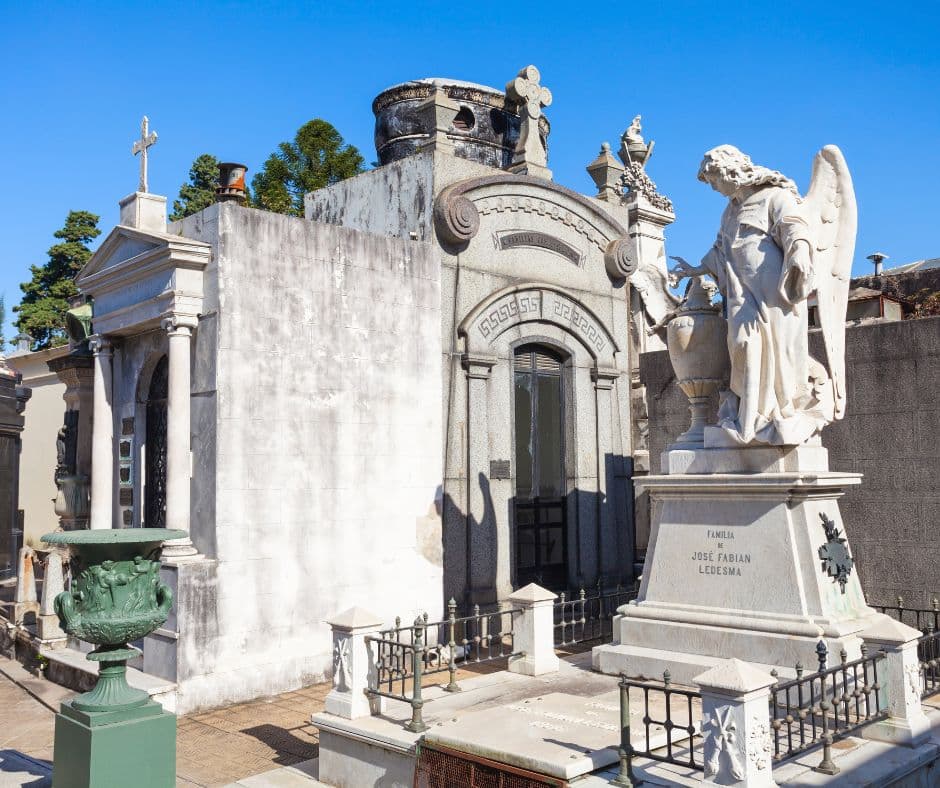
What makes death and mourning in Costa Rica feel so different?
It feels different because grief here is shared out loud and handled fast, with neighbours, family, faith, and practical law all moving in the same direction. In many towns, a death doesn’t become a private, closed-door event—it becomes a community moment: someone makes coffee, someone calls the cousins, someone finds extra chairs, and the funeral home becomes a kind of temporary living room.
You’ll notice a few things right away: children are often present, people speak softly but don’t whisper, and the mood can shift between tears and gentle laughter in the same hour. The point is not to “keep it together”; the point is to be there.
How quickly does burial happen in Costa Rica?
Burial is typically organised very quickly because Costa Rican regulations generally expect inhumation within about 24 to 36 hours after death, unless authorities grant an extension or the body is held under judicial order. (PGRWeb)
That timetable shapes everything: the phone calls, the arrangements, the mass, the walk to the cemetery. It also helps explain why embalming isn’t the default approach in Costa Rica—funerals are designed around prompt farewells, not long delays. (GOV.UK)
What is a velorio (or vela), and what happens there?
A velorio is the wake, and it’s usually the most human part of the whole process. People come in waves—family first, then neighbours, then co-workers, then friends of friends—because paying respects is a social duty and a sincere comfort.
Common features you’ll see:
- A room filled with chairs, flowers, and murmured conversation
- A steady rhythm of greetings: hugs, cheek-kisses, hands held a second longer than usual
- Coffee and something sweet appeared as if by magic
- Children being lifted up for a look, not shielded away—death is treated as real, not taboo
- Quiet prayer for some, quiet stories for others
In small communities, you may still hear the older word vela used, tied to the idea of “keeping vigil.” In bigger cities, the same thing happens in modern funeral homes with more formal scheduling, but the emotional tone is surprisingly similar.
How do people find out someone has died?
News usually spreads fast because it travels through family networks and messaging apps first. WhatsApp groups, phone calls, voice notes, and workplace messages often do what newspapers used to do on their own. Formal obituary notices still happen, especially for well-known locals, but the modern “announcement system” is mostly human and immediate.
If you’re new to Costa Rica, this can be startling: you may learn about a death quickly, and you may be expected to show up quickly too—especially if it’s someone in your neighbourhood or a family you know well.
What happens after the velorio?
After the wake, the next steps are usually straightforward: a religious service (often Catholic), followed by the burial. The order and details vary by family, but the pattern is familiar across the country.
Typical sequence:
- Wake/velorio at a funeral home (or sometimes at home in rural areas)
- Mass or service at a church (or a civil ceremony if the family prefers)
- Final transport to the cemetery
- Burial, often in a vault or niche system
Cemetery rules also matter in practical ways: for example, regulations specify closed coffins for burial and restrict materials that slow decomposition. (PGRWeb)
What is a novenario, and why do people talk about nine days?
A novenario is a nine-day period of prayers and remembrance, and it’s often announced right after the funeral service. In many families, it’s less about formal perfection and more about rhythm: nine evenings of coming together, praying (often the rosary), and keeping the person present in the home through story and shared memory. (Funeral.com, Inc.)
Even if you’re not religious, you can understand the psychology: grief needs a container, and nine days gives it shape—something to do, somewhere to go, people to lean on.
Why do Costa Rican cemeteries have vaults, nichos, and osarios?
They exist because space is limited and the system is built for generations, not just one burial. The terminology shows up in national cemetery regulations:
- Nicho: a cavity used to place a body (PGRWeb)
- Osario: an ossuary—where bones/remains may be gathered (PGRWeb)
- Restos cadavéricos: what remains after five years (PGRWeb)
A key detail many foreigners don’t know: ordinary exhumations are defined as happening after five years. (PGRWeb)
That doesn’t mean every family moves remains exactly at that moment, or that every cemetery feels the same, but the “five-year reality” is part of how cemetery space is managed.
This is why you’ll hear families talk about “making room,” or moving remains into an ossuary space, or consolidating relatives in a family vault. It’s not casual; it’s practical reverence—keeping loved ones together within the space the living can afford.
Is cremation common in Costa Rica now?
Cremation is increasingly part of the conversation, especially in urban areas and among families balancing cost, distance, and cemetery space. Official guidance for foreigners notes there are multiple local cremation facilities, and funeral directors can walk families through the options. (GOV.UK)
For families with relatives abroad, cremation can also simplify travel logistics and future memorial plans. The emotional choice is still deeply personal, but the practical availability is no longer rare.
Is embalming required in Costa Rica?
Embalming is usually not required and is not typically the default, though it may be requested—especially for repatriation to another country. (GOV.UK)
That single detail explains a lot: when you don’t build your funeral culture around embalming, you build it around immediacy, gathering, and getting everyone there while the goodbye is still “now.”
What paperwork happens after a death in Costa Rica?
The process is designed to register the death promptly through the Civil Registry system, and medical certification is part of it when applicable. Costa Rica’s Tribunal Supremo de Elecciones (TSE) describes the procedure for registering a death in-country and notes requirements like identification of the declarant, a medical certificate when appropriate, and contact details for notifications.
If you’re dealing with the death of someone who isn’t Costa Rican (or whose family is abroad), consular guidance also notes that a temporary death certificate may be issued first, followed later by a certified copy through the Registro Civil process. (GOV.UK)
When is an autopsy required?
An autopsy is generally tied to judicial interest—violent deaths, accidents, and other circumstances requiring formal investigation. Costa Rica’s forensic pathology service (OIJ) lists categories that include violent deaths (homicides, suicides, accidents), certain sudden deaths, deaths in custody, and cases where a formal complaint makes a medico-legal autopsy necessary. (Poder Judicial)
For families, this can feel like a delay in the goodbye, but it’s part of how the country answers the question that matters most in law: what happened.
What should you do (and not do) if you’re invited to a Costa Rican funeral?
You should show up, keep it simple, and follow the room. That sounds almost too easy, but it’s the truth.
Helpful etiquette:
- Wear: dark or neutral clothing; modest is usually appreciated
- Bring: flowers if you’re close, or simply your presence if you’re not
- Say: “Lo siento mucho” (I’m very sorry) or “Mis condolencias” (my condolences)
- Do: greet the closest family first, even if the line is long
- Don’t: take photos, make it about you, or rush the family into “positive thinking”
And if children are there, don’t be shocked. In many Costa Rican families, children are included because love and loss are both part of family life.
What should expats and long-term residents plan ahead?
You should make your wishes easy to carry out, because speed is part of the system. (PGRWeb)
Practical steps people take:
- Write down burial vs cremation preferences
- Keep passport/ID details organised
- Tell at least two trusted people what you want
- If family lives abroad, leave clear contact details and copies of documents where someone can find them
It’s not morbid—it’s kind. You’re removing confusion from the people who will already be carrying grief.
FAQ
How soon after death is someone buried in Costa Rica?
In many cases, burial is expected within roughly 24–36 hours, unless there’s authorised delay or a judicial hold. (PGRWeb)
Are bodies usually embalmed in Costa Rica?
No—embalming is not usually the norm, though it can be requested and may be used for repatriation. (GOV.UK)
What is the novenario?
It’s a nine-day period of prayer and remembrance commonly observed in Catholic communities after a death. (Funeral.com, Inc.)
Why do remains sometimes get moved after a few years?
Cemetery regulations define “restos” after five years and describe ordinary exhumations after that period, which helps manage limited space. (PGRWeb)
When does the OIJ get involved?
The OIJ forensic service becomes involved in deaths of judicial interest, including violent deaths, accidents, and certain sudden deaths, among other categories they list. (Poder Judicial)
Is cremation available in Costa Rica?
Yes—cremation is available, and official guidance notes multiple local cremation facilities and funeral directors who can assist. (GOV.UK)
Howler Staff are John, Terry and whomever else we can get to write great articles.