

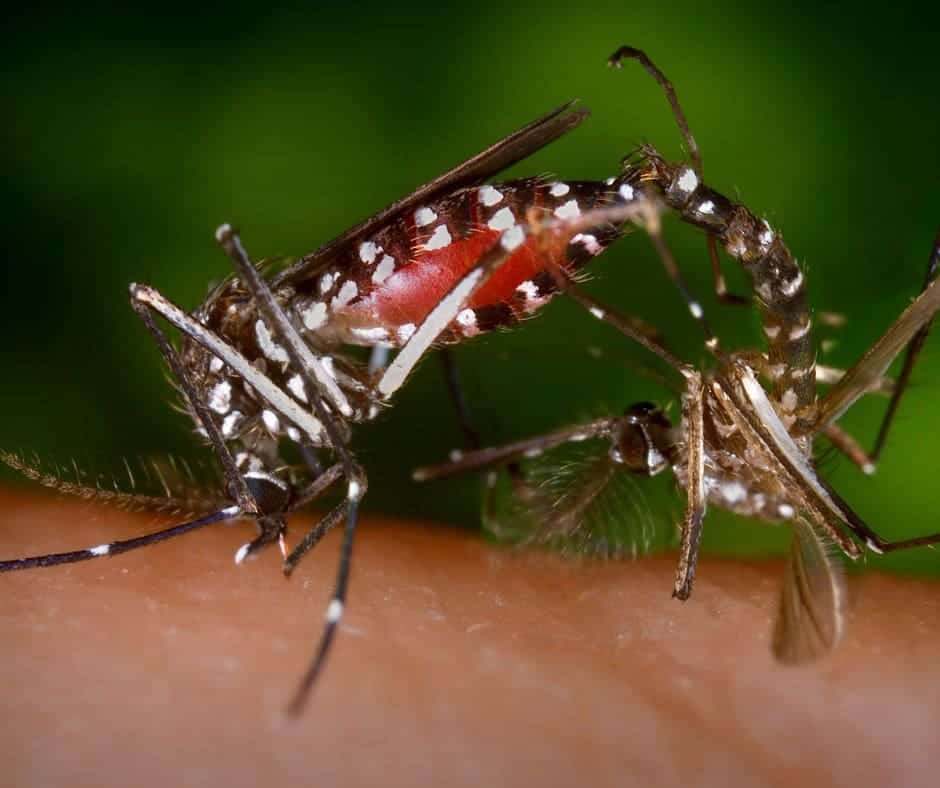
Dengue fever has seen a significant surge in Costa Rica, a concern that demands attention. Here’s a detailed look into this important health topic.
What is Dengue?
Dengue is a mosquito-borne tropical disease caused by the dengue virus. Symptoms typically begin three to fourteen days after infection. This may include a high fever, headache, vomiting, muscle and joint pains, and a characteristic skin rash.
Recent Spike in Costa Rica
In 2023, Costa Rica reported a substantial increase in dengue cases, with 28,420 recorded incidences. This surge represents a dramatic rise compared to previous years. In 2022, there were 7,485 cases, and this year’s figures are the highest in the past four years. The cantons most affected include Puntarenas, Alajuela, Sarapiquí, Siquirres, Pococí, and San Carlos.
Symptoms to Watch For
Most people with dengue experience mild or no symptoms, recovering in about 1–2 weeks. However, symptoms can include nausea, vomiting, fever, rashes, pain behind the eyes, severe headaches, and joint and muscle pain. They usually begin 4–10 days after infection and last for 2–7 days.
When to Seek Medical Attention
Immediate healthcare is crucial if you experience severe abdominal pain, persistent vomiting, rapid breathing, bleeding gums or nose, fatigue, restlessness, blood in vomit or stool, being very thirsty, pale and cold skin, or feeling weak.
Prevention and Control
The Costa Rican Ministry of Health is taking proactive measures to combat the spread of dengue. These include fumigation and eliminating mosquito breeding sites. Individuals are advised to:
– Regularly clean and empty water containers.
– Use mosquito nets, long-sleeved clothing, and insect repellent.
– Cooperate with health officials during home visits for fumigation.
Key Takeaways
– Dengue cases in Costa Rica have seen an alarming increase in 2023.
– Symptoms range from mild to severe and can be life-threatening.
– Prevention involves community participation and personal protective measures.
– Seeking prompt medical attention for severe symptoms is crucial.
As Costa Rica battles this surging dengue outbreak, it’s essential for both residents and visitors to stay informed and take necessary precautions. The situation underscores the importance of collective efforts in managing public health crises.
Remember, always consult a healthcare professional if you suspect you have dengue symptoms, and contribute to preventive measures in your community. Stay safe and vigilant!