

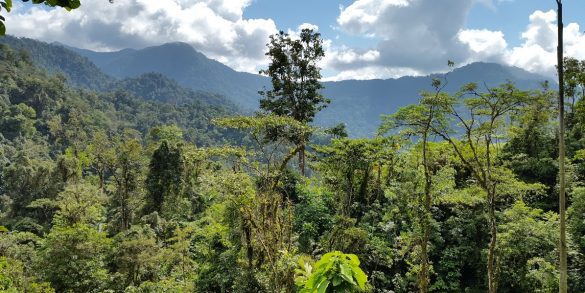
Fonafifo, the National Forest Financing Fund of Costa Rica, has a significant impact on the country through its role in financing the forestry sector, especially supporting small and medium producers of forestry goods and services. It leads the implementation of the Payment for Environmental Services (PES) program, which rewards private forest owners for the environmental services their forests provide, such as water resource protection, carbon sequestration, biodiversity conservation, and scenic beauty. This program channels substantial annual payments to vulnerable economic actors, including small producers, women, forest organizations, and indigenous territories, often located in socially less developed areas.
Fonafifo’s activities contribute to improving livelihoods for environmental service providers, increasing the availability of environmental services, promoting markets for these services, conserving ecological functions, and mitigating greenhouse gas emissions. The institution supports national strategies, including the National Development Plan, the National Forestry Development Plan, the National Biodiversity Strategy, and the National Decarbonization Plan. Its work has helped Costa Rica slow deforestation and recover forest cover, enhance its international environmental reputation, and generate income through eco-tourism linked to its forest resources. Fonafifo is also a key player in mobilizing national and international funds, ensuring sustainable rural development, and fostering an environmental culture in Costa Rica.
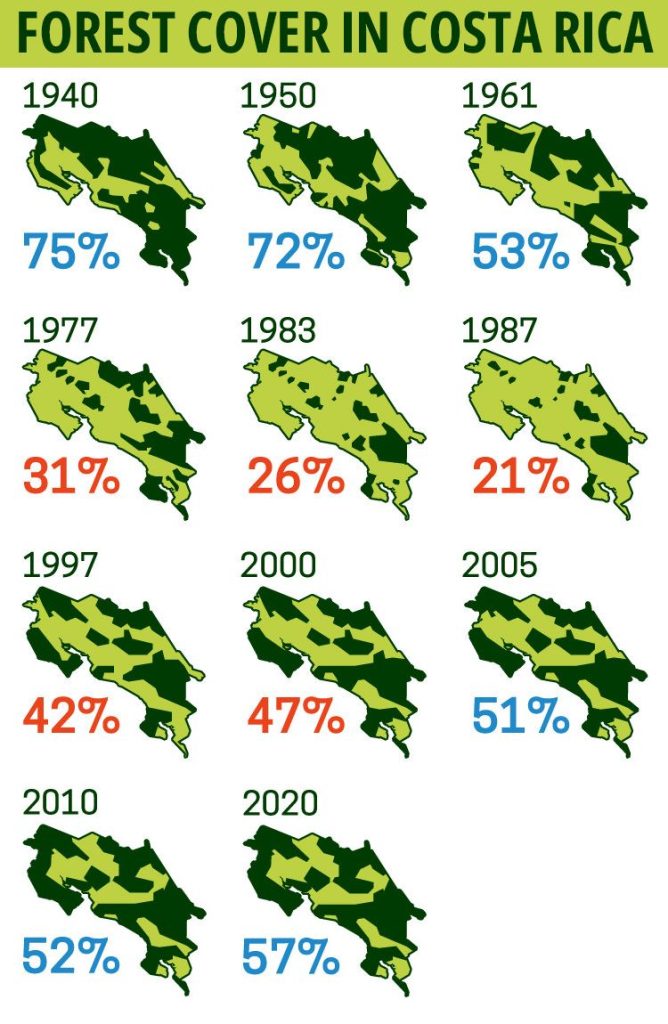
Photo by: https://www.fonafifo.go.cr
The economic value of the ecosystem services funded by Fonafifo in Costa Rica has been recognized through its Payment for Environmental Services (PES) program, which the 1996 Forestry Law established. The program financially compensates forest owners for protecting and managing ecosystems that provide critical services such as greenhouse gas mitigation, biodiversity conservation, water protection, and scenic beauty. Payments are made as economic recognition rather than subsidies or incentives, which increases the ecological, social, and economic value of forests.
While the specific economic valuation of the ecosystem services directly delivered through Fonafifo’s program has only been sporadically calculated and often unsatisfactorily, the program has channeled significant financial resources into conservation activities. For instance, since 2003, Fonafifo has reported raising over USD 7.6 million through the sale of Ecosystem Services Certificates, which are invested in forest management to improve ecosystem service delivery. The program is mainly funded by a 3.5% tax on fossil fuels, water fees, loans, and private investments, creating a sustainable financing mechanism to preserve ecosystem functions.
The PES program has demonstrated tangible outcomes, including over one million hectares under conservation or reforestation contracts and significant reductions in greenhouse gas emissions. Incentive payments released to forest owners have totaled hundreds of millions of dollars, contributing to Costa Rica’s broader goals of sustainable development, forest recovery, and climate change mitigation.
If a more precise or current quantified economic valuation is needed, additional specialized studies focusing on the monetary appraisal of the ecosystem services in Costa Rica’s PES context may be required
If Fonafifo did not exist,
Costa Rica would likely face significant negative impacts on its forest cover and ecosystem conservation efforts. Without Fonafifo’s Payment for Environmental Services (PES) program and financial mechanisms:
- Costa Rica would probably not have been able to mobilize resources effectively for forest conservation and protection on private lands, which are crucial to maintaining the country’s overall forest cover.
- The country’s forest cover growth, which increased from around 21% in 1987 to over 50% by the early 2010s, primarily through reforestation and forest protection efforts under the PES scheme, would have likely stalled or reversed.
- Deforestation rates would likely have remained high or increased, given the lack of financial incentives for landowners to conserve or restore forests, resulting in reduced carbon sequestration, biodiversity conservation, water resource protection, and scenic beauty.
- Costa Rica’s international reputation as a leader in forest conservation and climate mitigation would be diminished, along with socioeconomic benefits tied to sustainable forestry and eco-tourism.
- The absence of systematic PES funding linked to fossil fuel taxes and other sources would constrain the country’s ability to address climate change and environmental sustainability comprehensively.
Overall, Costa Rica would face greater environmental degradation, loss of ecosystem services, and challenges meeting its sustainability and decarbonization goals without the existence of Fonafifo